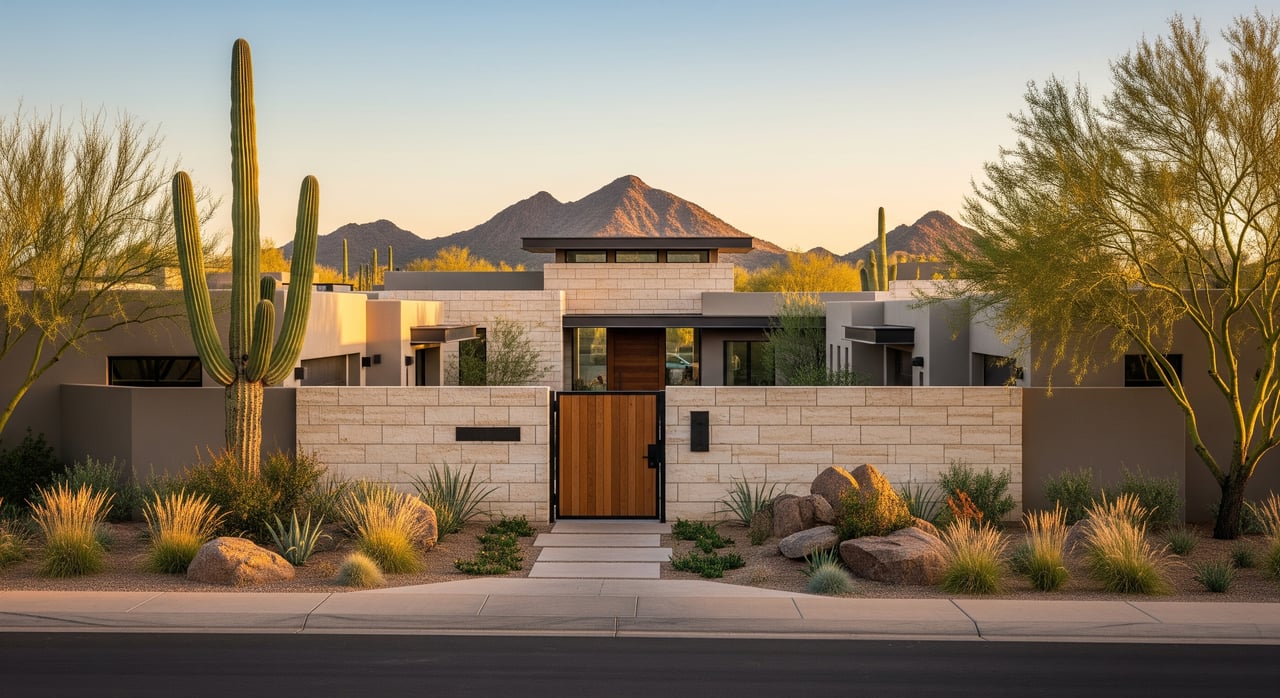
Thinking about buying in Phoenix and wondering whether an HOA or a non-HOA neighborhood fits you best? You’re not alone. The choice affects your monthly budget, day-to-day lifestyle, and long-term resale. In our desert market, it also touches water use, cooling costs, and how much maintenance you take on personally. This guide breaks down the trade-offs so you can weigh costs, rules, and risk with clarity. Let’s dive in.
Phoenix housing basics
An HOA is a community association that collects assessments, maintains common areas, and enforces recorded covenants, conditions, and restrictions (CC&Rs). In Phoenix, you’ll find different forms: condominium associations, planned communities of single-family homes, and master associations that oversee multiple sub-associations.
Non-HOA living means there are no mandatory association covenants or dues tied to private common areas. You still follow city and county codes, and some areas have voluntary neighborhood groups or city historic overlays that set design standards.
Across the metro, older central neighborhoods and many historic districts often lack mandatory HOAs, while suburban master-planned communities and most condo developments do include them. Arizona law regulates both planned communities and condos, and you’ll see standard HOA disclosures during a typical purchase.
Cost comparison
Your monthly housing cost is more than just principal and interest. In Phoenix, factor in cooling, water, and landscape decisions alongside HOA dues or private maintenance.
What HOA dues cover
Regular assessments fund common area upkeep, amenities, management, insurance for common elements, and reserve contributions for long-term repairs. Some associations also fund security or controlled access. Budget for transfer fees, capital contributions, resale certificates, and potential fines if rules are violated.
Special assessments can occur when big projects or unexpected repairs arise, like pavement, pool replastering, or major infrastructure. Associations with thin reserves are more likely to levy them.
Non-HOA costs to budget
Without dues, you pay directly for exterior and yard care, landscaping, pool upkeep, security systems, and any shared driveway or gate maintenance that is not city-owned. If you want amenities such as a fitness center or community pool, you’ll likely pay for private alternatives.
Special assessments risk
Special assessments are unpredictable and can be large. Review the HOA’s reserve study and history of assessments to gauge risk. Associations with consistent reserve funding and lower delinquency rates tend to be more stable.
Total cost of ownership
Use this simple framework when comparing homes:
- Monthly payment: mortgage principal + interest + property tax + homeowner’s insurance + HOA dues (if any) + utilities.
- Annual maintenance: exterior care, yard/pool service for non-HOA homes, seasonal HVAC tune-ups, and long-term capital items (roof, HVAC).
- Phoenix climate factors: high summer electricity usage, irrigation or water bills, and potential savings with xeriscaping.
- HOA risks: special assessments, dues increases, or legal costs that can impact future expenses.
Pro tip: Ask to see the current budget, last 1–3 years of actuals, reserve study and percentage funded, delinquency rate, litigation disclosures, and insurance details. These paint a clear picture of future dues pressure.
Rules and lifestyle
HOA communities often deliver a uniform look and shared amenities. Non-HOA homes provide flexibility but rely on city codes and owner initiative.
Architectural and exterior approvals
HOAs typically require approval for paint, roofing, fences, shade structures, and solar panels. Expect standards for landscaping and architectural style. Non-HOA areas follow municipal rules and any deed restrictions, with fewer private approvals.
Parking, pets, and rentals
Many HOAs set rules for street parking, RV or boat storage, and guest parking. Pet policies can cap size or number. Rental rules are common, including minimum lease terms or limits on the number of rentals. Short-term rentals may be restricted or prohibited by the HOA even if the city allows them.
Phoenix climate factors
- Landscaping and water: Associations increasingly encourage xeriscaping, turf removal, and desert-adapted plantings. Some communities still prefer traditional lawns. Water choices can materially affect monthly bills.
- Solar panels: Arizona policy supports solar access, but HOAs may regulate placement and appearance. Confirm approval timelines and design standards before you buy.
- Pools and safety: Community pools are common in HOA neighborhoods. The association handles maintenance and liability for common pools, while non-HOA owners handle private pool care and safety measures.
Security and access
Gated entries and private patrols are common value adds in HOA neighborhoods and are funded by dues. Non-HOA areas rely on city services and neighbor-driven watch programs.
Resale and financing
Your future buyer pool and financing path can look different depending on HOA status and financial health.
Marketability pros and trade-offs
HOAs can attract buyers who favor amenities, consistent curb appeal, and lower personal maintenance. Rental restrictions may deter investors but can appeal to owner-occupants seeking stability. Non-HOA homes tend to attract buyers who want fewer rules, variable monthly costs, and broader use flexibility.
HOA financial health red flags
Underfunded reserves, frequent special assessments, litigation, or high delinquency can slow sales and pressure prices. Buyers often discount communities with visible financial strain or governance issues.
Lending and insurance basics
Some condominiums and planned communities require lender approvals for certain loan types. HOA master policies cover common elements, while you still need your own policy for the interior and personal property. Title and escrow in Arizona typically involve HOA disclosure packages and estoppel letters, which need prompt delivery to keep closing on track.
Due diligence checklist
Use this list during your inspection period to avoid surprises:
- Governing documents: CC&Rs, bylaws, rules and regulations.
- Financials: current budget, last 1–3 years of financial statements, reserve study and percentage funded, delinquency rate, and history of special assessments (5–10 years).
- Board and operations: recent meeting minutes (6–12 months), management contract, and any ongoing or recent litigation.
- Policies: rental restrictions, parking enforcement, pet rules, noise/complaint history, architectural approval process, and solar standards.
- Seller disclosures: any open violations, fines, or pending assessments.
- Lender check: confirm HOA dues treatment in qualifying ratios and any approval requirements.
- Title/escrow: confirm timing and completeness of disclosures and estoppel documentation.
Local examples
- Desert Ridge (North Phoenix): A master-planned area with community associations, parks, and amenities. It is a good illustration of amenity-driven, dues-supported living.
- Ahwatukee Foothills: A mix of subdivisions, some with HOAs and others without. It shows how rules and dues can vary within a single village area.
- Downtown and Midtown condos: Most buildings have mandatory condo associations with monthly assessments that fund common services and building operations.
- Historic districts such as Willo and Roosevelt: Often shaped by city preservation overlays or voluntary associations rather than traditional HOAs. Rules focus on design preservation managed by the city.
These examples are starting points to understand the range of Phoenix options. Always verify the specifics, dues, and rules for any individual property at listing time.
Find your fit
If you want amenities, community programming, and consistent curb appeal, an HOA neighborhood may suit you. If flexibility, project freedom, or minimizing fixed monthly obligations matters more, a non-HOA home can be a great match. In both cases, factor in Phoenix’s climate costs and your tolerance for rules versus personal responsibility.
Bottom line: A careful total-cost comparison, paired with a review of HOA financial health and rules, will point you to the right choice for your lifestyle and budget.
Next steps
You deserve a clear, data-backed path to your ideal Phoenix home. If you are weighing HOA vs. non-HOA options, bring a valuation-first lens to monthly costs, reserve strength, and long-term resale. With a background in appraisal and property and casualty insurance, I help you evaluate risk, budget with confidence, and choose the neighborhood structure that fits how you want to live.
Ready to compare real homes side by side? Reach out to schedule a consult or request a pricing review with Gina Wilkerson.
FAQs
How do HOA dues change my monthly budget in Phoenix?
- Add dues to your mortgage, taxes, insurance, and utilities, then compare with a non-HOA home’s private costs for landscaping, pool service, and security. Include climate-driven expenses like electricity and irrigation.
What documents reveal the risk of special assessments?
- Ask for the reserve study and percentage funded, the current budget and recent financials, delinquency rate, board minutes, and a 5–10 year history of special assessments.
What Phoenix-specific rules should I expect in HOAs?
- Look for landscaping standards tied to water use, architectural approvals for exterior changes, parking and pet rules, and rental policies including short-term rental limits.
Can HOAs restrict solar panels in Phoenix?
- HOAs may set design and placement standards and require approvals, but policy supports reasonable solar access. Confirm the process and timelines before closing.
Do HOAs limit short-term rentals in Phoenix?
- Many do. City registration and safety standards may apply, and HOAs can impose stricter rules or bans. Verify rental policies if you plan to rent.
Will my lender need condo or HOA approval?
- Some loans require association approvals, particularly for condos. Ask your lender early so any HOA questionnaires or documents do not delay closing.
Where do I find HOA financials and rules during escrow?
- The HOA disclosure package typically includes CC&Rs, rules, budgets, financials, reserve studies, and insurance certificates. Request board minutes and ask about any planned assessments or projects.