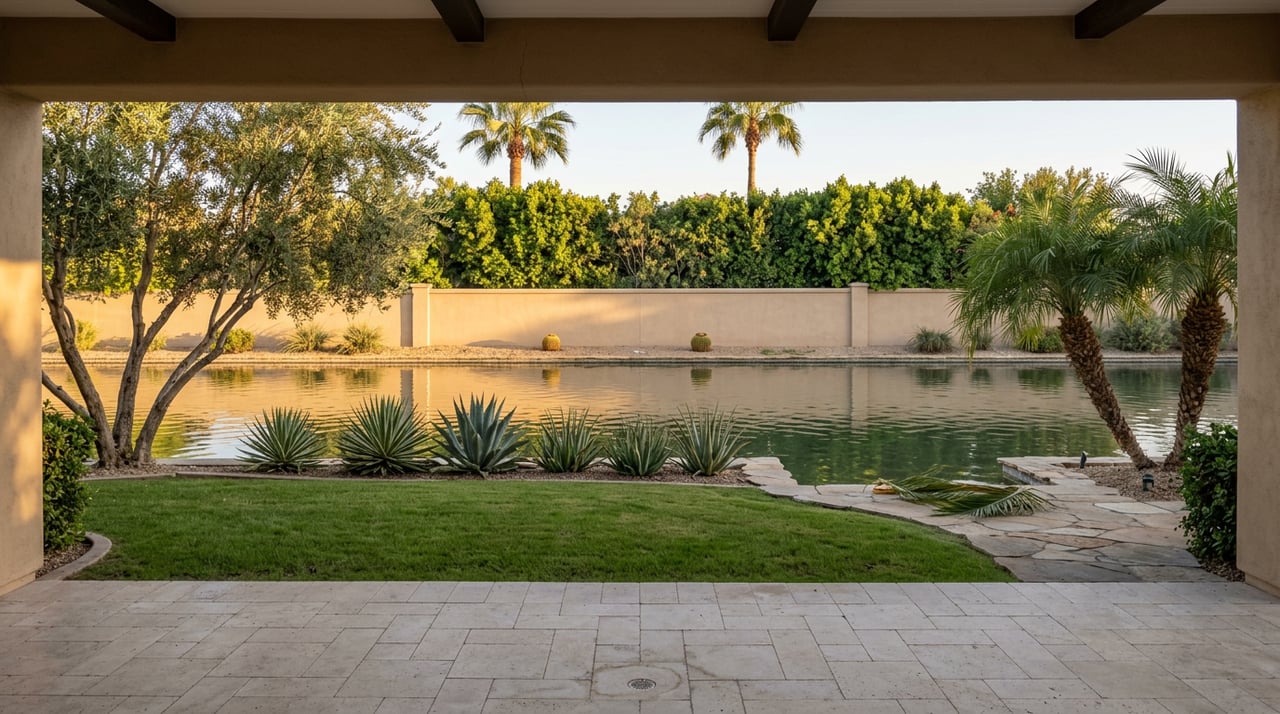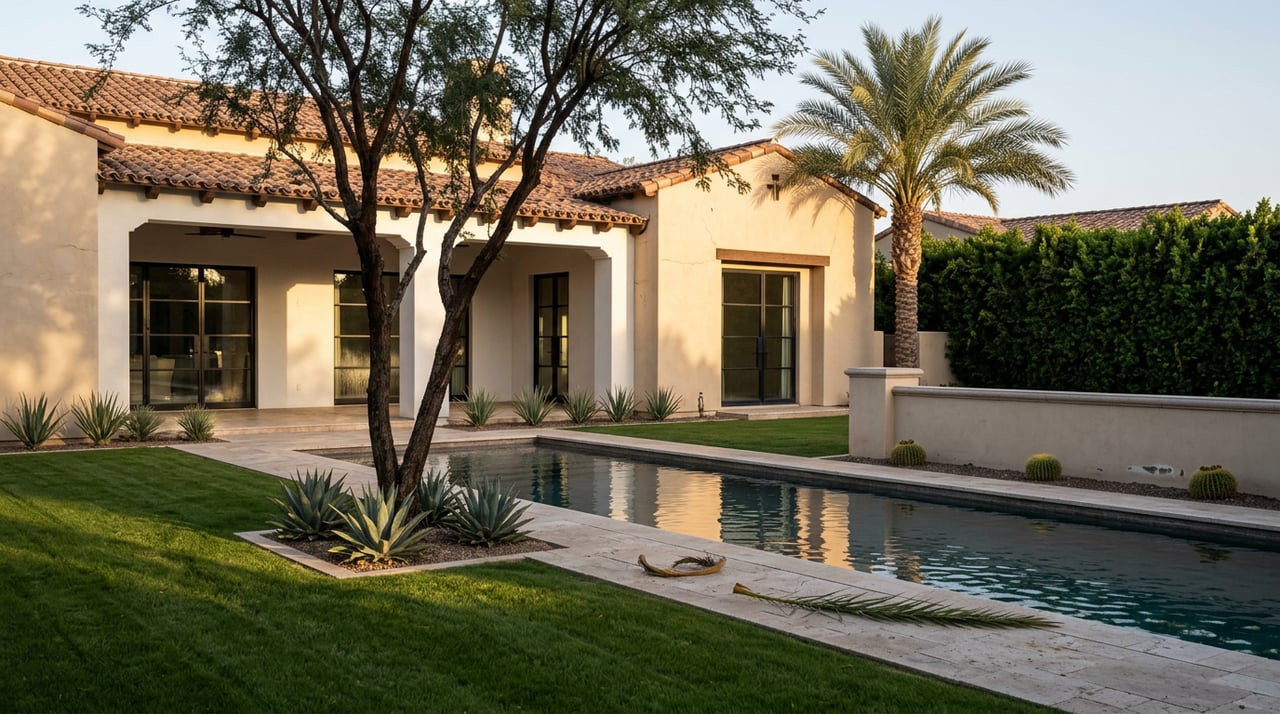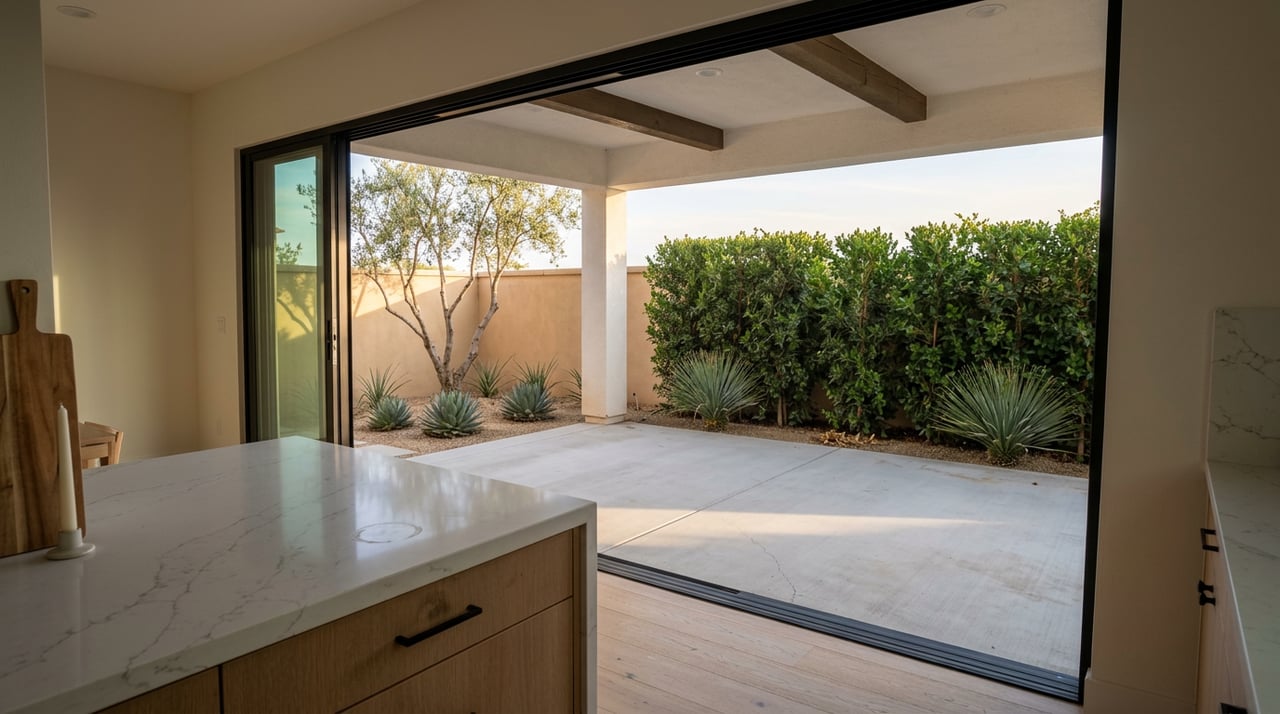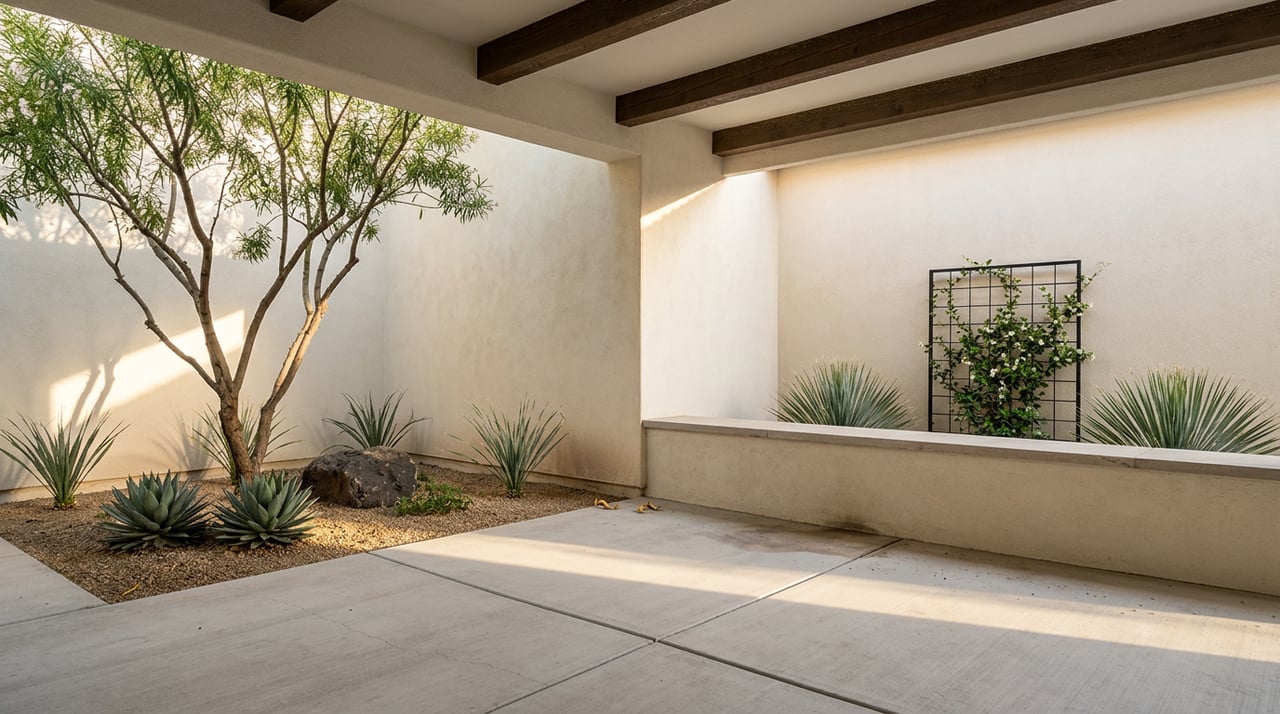
Thinking about selling or just curious what your Scottsdale home is worth? You are not alone. With so many neighborhoods, amenities, and seasonal shifts, pricing in Scottsdale can feel confusing. In this guide, you will get a quick path to an instant online estimate and a clear explanation of how value is set here, from comps and view premiums to pricing strategy and seller prep. Let’s dive in.
How the Scottsdale market shapes value
Scottsdale is a mosaic of micro-markets. You will see everything from entry-level suburban homes and active-adult communities to second homes and luxury estates with golf or mountain views. Different buyers prioritize different features, so value depends on who is most likely to shop your home.
Buyer demand and segments
- Retirees and seasonal buyers often look for low-maintenance living, resort amenities, and lock-and-leave convenience.
- Local professionals and families tend to focus on budget, commute, schools, and HOA rules.
- Luxury buyers emphasize privacy, views, custom finishes, and proximity to golf or trail access.
Seasonal patterns
Scottsdale generally sees stronger buyer activity from fall through spring, with a winter high season. If you plan to list, your timing can influence exposure, competition, and time on market.
Neighborhood value drivers
- Old Town and Downtown Scottsdale: walkability, dining, nightlife, and condo living.
- North Scottsdale areas like Troon, DC Ranch, and Silverleaf: larger lots, privacy, and mountain or golf views.
- McCormick Ranch and Gainey Ranch: established neighborhoods with mature landscaping and parks.
- Grayhawk, Scottsdale Ranch, and Kierland: planned communities with amenities that attract active households.
- Proximity to Camelback Mountain, Scottsdale Fashion Square, major freeways, and medical services can shift pricing and demand.
Local rules and records to know
- Maricopa County assessed value is for taxes and often lags market value. It is not a pricing target.
- Arizona sellers must complete disclosure forms for known material facts such as condition, permits, or environmental items.
- Many neighborhoods have HOAs with CC&Rs and dues. HOA status and fees clearly affect buyer demand and should be factored into pricing.
Ways to estimate your home’s worth
There is more than one way to value a Scottsdale home. Here is what each option can and cannot do for you.
Instant online estimates
Automated Valuation Models give fast, free ballpark numbers. They are helpful for a starting point. In Scottsdale, accuracy can drop for unique features like golf frontage, mountain views, casitas, extensive renovations, or unusual lot shapes. Treat these as a range, not a decision.
Comparative Market Analysis
A CMA prepared by a local agent uses MLS data, recent sales, and active or pending listings to position your home competitively. A strong CMA interprets neighborhood boundaries, buyer preferences, and feature premiums that an algorithm may miss. It is ideal for setting a list price and negotiation plan.
Licensed appraisal
A formal appraisal follows standardized methods and is typically required by lenders. It relies on recent closed sales and may incorporate cost or income approaches when relevant. It is thorough but represents a snapshot in time and can lag in fast-moving conditions.
Which method is right when
- For a quick ballpark: start with an online estimate.
- For listing and negotiation strategy: use a CMA and market positioning discussion.
- For financing or resolving a dispute: a licensed appraisal is the gold standard.
Gina offers an appraisal-informed pricing review that blends appraisal discipline with local market strategy. You get comps, thoughtful adjustments, and a clear pricing plan tailored to your neighborhood.
How comps and adjustments work in Scottsdale
Choosing the right comparables matters as much as the math. Scottsdale has distinct submarkets, so precision in comp selection is key.
Picking the right comps
- Stay as close as possible geographically, ideally within the same subdivision when available.
- Use the most recent closed sales. In shifting markets, a shorter window is better.
- Match property type, living area, bed and bath count, lot size, age, and condition.
- Consider active and pending listings for competitive context, but base value on closed sales.
Typical Scottsdale adjustments
- Size and layout: square footage and floor plan flow influence price per square foot.
- Lot and yard usability: larger or more private lots, southern exposure, or quiet locations can command premiums.
- Pool and spa: common here. Condition, design, and integration with outdoor living affect value.
- Views: mountain and golf views can be significant, but premiums vary by neighborhood and scarcity.
- Renovations and finishes: documented upgrades to kitchens, baths, roofing, or HVAC add credibility and value.
- Parking and storage: garage capacity and guest parking matter, especially for condos and townhomes near Old Town.
- HOA and amenities: security, fitness, community pools, and golf access can add value, while higher dues may limit buyer pools.
Process over fixed formulas
Experienced appraisers and agents use paired sales to infer adjustments feature by feature. Avoid one-size-fits-all numbers. Your home’s premiums depend on local data for your specific micro-market.
Pricing strategies that fit your goals
The right strategy matches your timing, risk tolerance, and competition.
Market pricing
You list at a price supported by recent comps. This generally maximizes qualified exposure and helps avoid appraisal gaps later.
Slightly under market
You price a bit lower to attract more buyers and encourage multiple offers. This can work well in low-inventory pockets but carries risk if demand is lighter than expected.
Premium pricing
If your home is rare or has standout features, a premium list price can be appropriate. Expect more time on market and plan a data-based review after feedback.
Price bands and search filters
Small changes around thresholds like 600,000 versus 599,000 can change how often your home appears in searches. Position your price so it captures the widest buyer pool.
Rates and inventory matter
Higher mortgage rates reduce purchasing power. When inventory is tight, sellers may price more assertively. In a competitive environment with more listings, sharper pricing and better presentation can be decisive.
Actions that raise marketability
Focus first on function and safety, then on presentation. Scottsdale buyers expect systems that handle desert conditions and appreciate outdoor living spaces.
Pre-listing checklist
- Address major systems: roof, HVAC, electrical, and plumbing in proper working order.
- Verify permits and collect receipts for past renovations or additions.
- Improve curb appeal with tidy, desert-appropriate landscaping and a welcoming entry.
- Service and document pool or spa equipment and safety measures.
- Declutter and stage to highlight space and light; treat patios and courtyards as outdoor rooms.
- Invest in professional photography. Twilight and drone shots can showcase views, privacy, and lot features.
What to expect from an appraisal-informed review
A good pricing review gives you clarity, not just a number. Here is what Gina’s appraisal-informed approach delivers.
- Review of your instant estimate, including how it was calculated and where it may miss.
- Three to six recent closed comps with clear rationale for selection.
- Qualitative and, when possible, quantitative adjustments tied to your exact submarket.
- A recommended list price range and a suggested list price.
- A market positioning plan with expected time to market and a plan for appraisal and offer scenarios.
- Specific improvements or documentation that can boost your marketability and support price.
What to gather before your review
- Recent property tax bill and parcel number.
- Deed, legal description, and any prior appraisals or CMAs.
- Receipts and permits for renovations and major systems.
- HOA documents, including CC&Rs and dues.
- Utility bills and any energy upgrades or warranties.
- Survey or plot plan, if available.
- Prior listing history or sales records if the home was previously on the market.
Get your instant estimate and next steps
Start with an instant estimate to get a quick range. Then schedule a personalized, appraisal-informed pricing review to translate that range into a confident list price and strategy. You will leave with comps, adjustments, a list price recommendation, and a clear marketing plan.
If you want hands-on guidance and premium presentation, work with a local advisor who brings both valuation discipline and negotiation strength. That is the approach you get with Gina Wilkerson. Get your instant estimate, then book your review.
FAQs
How accurate are online estimates in Scottsdale?
- They are helpful ballparks. Accuracy declines for homes with unique views, extensive upgrades, unusual lots, or features like casitas or high-end pools. Follow up with a CMA or appraisal.
Will the appraisal match my listing price?
- Not always. Appraisals rely on recent closed sales and may differ from a contract price, especially when markets move quickly or buyers bid aggressively.
Do pools add value for Scottsdale homes?
- Often yes, especially when well maintained and integrated with outdoor living. The premium depends on neighborhood norms, design quality, and condition.
How long will it take to sell in Scottsdale?
- It varies by price point, neighborhood, seasonality, and pricing strategy. Winter often shortens timelines, while overpriced listings tend to sit longer.
Should I make repairs before listing?
- Prioritize safety and major systems. After that, focus on curb appeal, light cosmetic updates, staging, and strong photography to improve ROI.