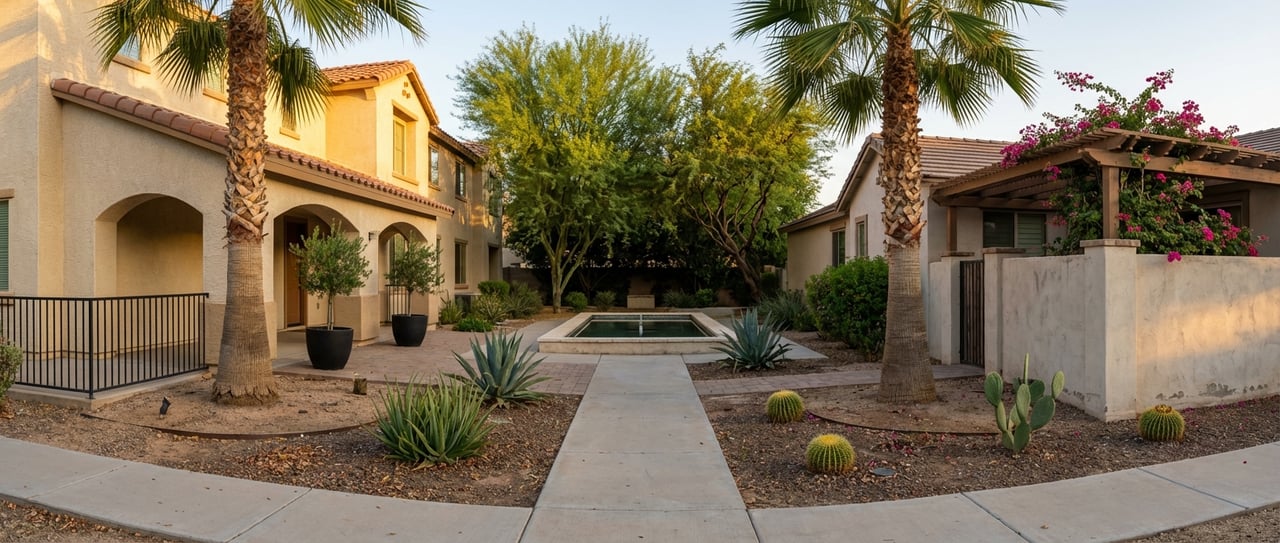
Are you torn between a condo and a house in Phoenix? You are not alone. With prices, HOA dues, utilities, and Arizona‑specific risks to weigh, the choice can feel complex. This guide walks you through a clear, numbers‑first way to compare costs, risks, and lifestyle fit in Greater Phoenix so you can decide with confidence. Let’s dive in.
Phoenix market snapshot
Phoenix home values sit in the low 400s on average, based on recent citywide indexes as of early 2026. Listing prices vary widely by neighborhood and property type, which is why a building‑level or block‑level comparison matters for your decision.
Attached homes have shown softer demand in some 2025 updates, with rising inventory in several condo and townhome segments. That varies by submarket and building age, so use building‑level comps and days on market when comparing to nearby single‑family homes. See this summary of a recent Phoenix‑area condo update for context on shifting demand in attached products in 2025: Phoenix‑area condo market update.
Maintenance: who fixes what
- Single‑family homes: You handle the roof, exterior, yard and irrigation, pool equipment, private utilities, and most repairs. Many owners budget about 1% to 2% of purchase price per year for routine and capital maintenance. Your actual number will vary based on age, size, systems, and pool.
- Condos and townhomes: The association typically maintains the exterior, roof, common systems, and amenities. Those services are paid through monthly HOA dues and can be supplemented by special assessments. You still cover interior repairs, a condo unit policy (HO‑6), and often a loss‑assessment endorsement. Learn how master policies and HO‑6 work here: condo and HOA insurance basics.
Practical checks:
- For condos: Request the HOA budget, reserve study, insurance certificates, meeting minutes, and any special assessment notices. Slow or incomplete responses can be a red flag.
- For houses: Ask for recent invoices for roof, HVAC, pool, and permitted work, plus 12 months of utility history.
Monthly costs: build a fair comparison
Your monthly budget should reflect all recurring costs, not just the mortgage. In Phoenix, cooling and HOA dues can swing the math.
Include these line items:
- Mortgage principal and interest (from your lender quote)
- Property taxes (Maricopa Assessor estimate and tax districts) Maricopa property tax FAQ
- Insurance (HO‑3 for houses or HO‑6 for condos, plus any HOA master policy detail)
- HOA dues (if any)
- Utilities (electricity, water, sewer, trash). Expect higher summer electricity use for cooling. See Arizona’s energy profile for context: Arizona energy analysis
- Routine maintenance and service contracts
- A monthly allowance for capital repairs or condo special assessments
HOA dues trend: Recent research shows HOA dues are common and have been climbing nationally, so treat them as a meaningful, recurring cost that can change over time. See this coverage of HOA prevalence and fee trends: HOA fees continue to climb.
Use this plug‑and‑play template with your own numbers:
- Monthly housing cost = P&I + (annual property tax ÷ 12) + (annual insurance ÷ 12) + HOA dues + average monthly utilities + routine maintenance allowance + capital/assessment set‑aside.
Tips for accurate inputs:
- Get a current rate and P&I quote from your lender for each price point.
- Pull parcel‑specific tax estimates from the Maricopa Assessor.
- Ask the HOA for current dues and a summary of any planned increases.
- Call your insurance agent for both HO‑3 and HO‑6 quotes and to review the HOA master policy.
- Ask the seller or utility provider for typical electric bills by month. Summers in Phoenix often see a big spike.
Financing and resale: condo nuances
Condo financing has extra project‑level rules. Lenders and investors look at owner‑occupancy rates, reserve funding, insurance, commercial share, and litigation. If a project fails agency standards, loans can be limited to portfolio programs, require higher down payments, or carry rate premiums. This also affects your future resale by narrowing the buyer pool.
Check eligibility early here: HUD condo project lookup and guidance.
What to ask your lender:
- Is this condo project warrantable with Fannie/Freddie? If not, what options exist?
- Can I use FHA or VA? If so, will it be through project approval or a single‑unit approval?
- How quickly can you run the project review so we know before we waive contingencies?
Insurance and Arizona‑specific risks
- Condos: You carry an HO‑6 policy for interior and contents. The HOA carries a master policy that may be “bare‑walls” or “all‑in.” Confirm which items are your responsibility and whether your HO‑6 includes loss‑assessment coverage. Learn the basics here: condo and HOA insurance overview.
- Flood: In mapped flood zones, condo associations may purchase an RCBAP master flood policy. Individual owners still typically need contents coverage. Learn about RCBAP here: FEMA RCBAP overview.
- Market context: Arizona has seen upward pressure on some insurance lines and localized non‑renewal concerns. Check availability and pricing early in your process: Arizona insurance non‑renewal trends.
Ask for and review:
- HOA master policy declarations and deductibles
- Whether the HOA policy excludes items you must insure yourself
- Any recent insurance changes or premium jumps that could drive dues higher
Lifestyle and outdoor space
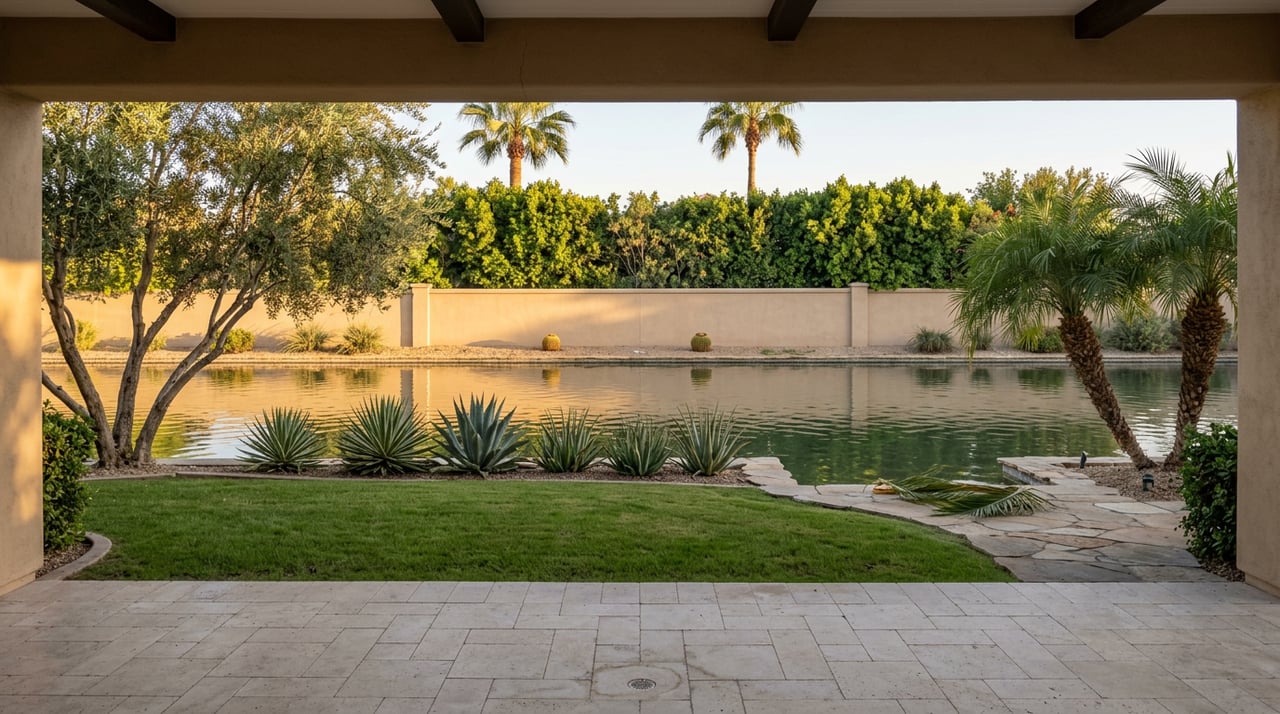
- Condos: You often trade private yard space for shared amenities like a pool, gym, and landscaped courtyards. This can be ideal if you want lock‑and‑leave living with fewer chores.
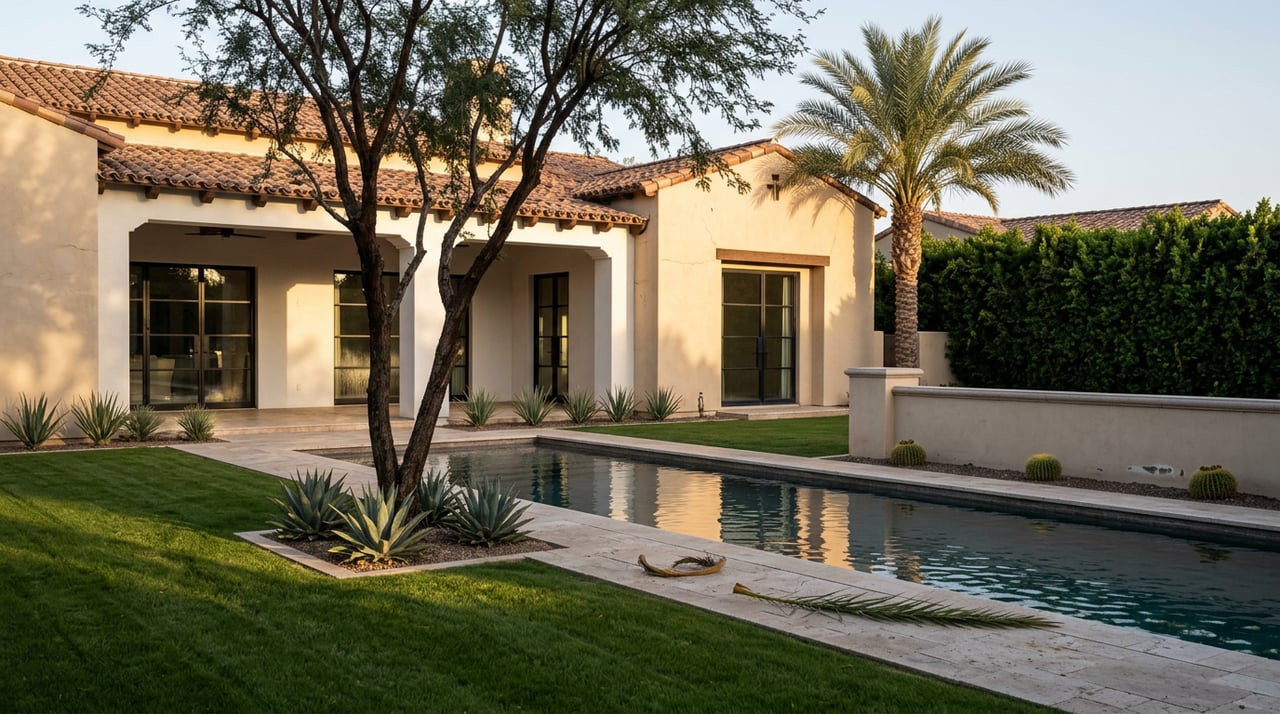
- Single‑family homes: You gain private outdoor living, space for pets, and the option for a pool, workshop, or RV storage. You also take on yard, water use, and pool upkeep, which matter in Phoenix’s climate.
Ask yourself:
- Do you want to garden, entertain outdoors, and customize exterior spaces?
- Or do you prefer amenities you do not have to maintain and a simpler Saturday?
Phoenix factors that shift the balance
- Heat and electricity: Summers are hot and electric cooling drives higher seasonal bills and more HVAC wear. Smaller units cost less to cool, but older buildings with poor insulation can surprise you. Verify typical bills and system age. More context here: Arizona energy profile.
- Water and new builds: The Phoenix region sits in the Phoenix Active Management Area. Assured water supply rules affect some new subdivisions and long‑term planning. If you are considering a new SFR subdivision, ask for water supply documentation: Phoenix AMA groundwater updates.
- Landscaping norms: Xeriscaping and drip irrigation are common. Some HOAs limit turf and irrigation systems. If you imagine a large green lawn, confirm HOA rules and irrigation costs.
Your decision framework and checklist
Day‑one documents
For condos and townhomes:
- HOA budget, reserve study, current reserve balance
- Master insurance declarations and loss‑assessment details
- CC&Rs, bylaws, 12 months of meeting minutes
- Any capital projects, special assessments, and owner‑occupancy and delinquency rates
- Rental and short‑term rental rules
For single‑family homes:
- Recent invoices or service records for roof, HVAC, and pool
- Landscaping and pool service contracts
- Permit history and 12 months of utility bills
Ask your lender and insurance pro early
- Lender: Is the condo FHA, VA, Fannie or Freddie eligible? If not, what are the alternatives and costs? Check status here: HUD condo lookup.
- Insurance: Price HO‑3 vs HO‑6, confirm master policy deductibles and exclusions, and ask about flood exposure and RCBAP. Review basics here: HOA and condo insurance.
Simple cost model you can run
- Build a 12‑month cashflow for each property:
- P&I + property tax ÷ 12 + insurance ÷ 12 + HOA dues + utilities + routine maintenance + capital/assessment set‑aside.
- Extend to 3–5 years:
- Add expected maintenance cycles, potential roof or HVAC timing, estimated selling costs, and appreciation ranges.
- Test sensitivities:
- HOA dues increase by X dollars
- Appreciation 2% higher for SFR than condo, or vice versa
- Mortgage rates move up or down 1 point
Small differences in dues or maintenance can add up to thousands over a few years, so run the math both ways.
Quick fit check
- Choose a condo if you want low maintenance, building security, predictable dues, and an urban or amenity‑rich setting.
- Choose a house if you want a private yard, pets and pool flexibility, garage or workshop space, and more control over exterior changes.
- If widest future buyer pool matters, verify condo project eligibility early since it can affect resale liquidity: FHA condo project search.
Two fast Phoenix scenarios
Downtown commuter who travels: A mid‑rise condo with secure parking, on‑site gym, and strong reserves may beat a house once you price yard and pool upkeep. Check project warrantability, HOA minutes, and master policy before you fall in love.
Growing household that wants a pool: A single‑family home with a yard and garage will fit better, but model the higher summer electric bill and pool service. Ask for HVAC age, SEER ratings, insulation improvements, and utility histories.
Red flags to watch
- HOA is slow to provide a current budget, reserve study, insurance declarations, or minutes.
- Condo project is not warrantable, which can limit loan options and resale.
- High HOA delinquency, low reserves, or pending litigation.
- Master policy has very high deductibles or coverage gaps that shift cost to owners.
Ready to decide with confidence?
If you want a calm, numbers‑first path to the right home, let’s compare options side by side. With appraisal‑grade pricing, insurance savvy, and local insight across Phoenix and Scottsdale, Gina Wilkerson can build your 12‑month and 5‑year models, review HOA health, and guide you to the better fit.
FAQs
Will a Phoenix condo cost less per month than a house?
- Sometimes. Lower purchase prices can offset HOA dues, but dues can rise and special assessments occur. Model both options with current rates, actual HOA dues, insurance, and a realistic utility budget. See this overview of HOA fee trends: HOA fees are climbing.
Do Phoenix condos typically sell slower than houses?
- It depends on the building and submarket. Some 2024–2025 reports noted softening demand for attached homes, while many SFR segments were comparatively stronger. Use building‑level comps and days on market: condo market context.
Can I use an FHA loan on any Phoenix condo?
- No. The condo project must be FHA‑approved or qualify for a single‑unit approval. Check status early here: HUD approved condo search.