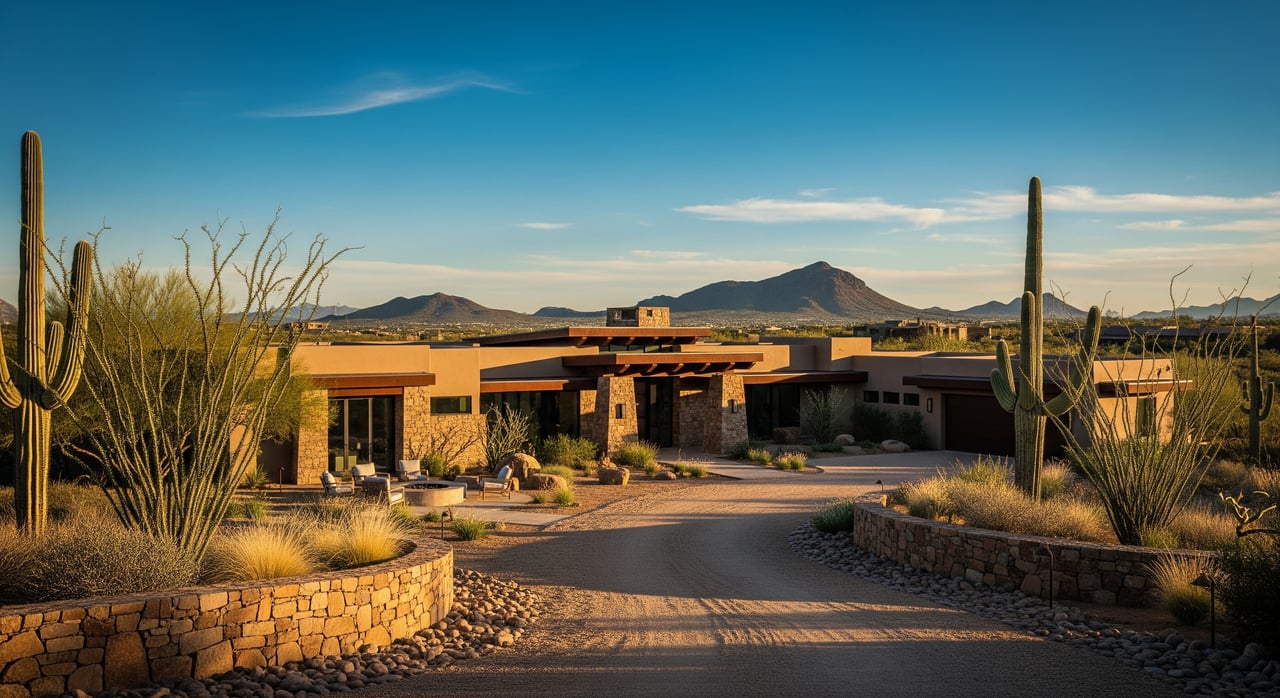
Love the idea of big skies, saguaro views and room to breathe, but not sure about the drive to work? If you are weighing Cave Creek’s Western lifestyle against commute time to Scottsdale or Phoenix, you are not alone. Many buyers consider Cave Creek for its larger lots, trail access and small‑town feel. This guide breaks down lifestyle, housing, commute patterns and the key trade‑offs so you can decide with confidence. Let’s dive in.
Who Cave Creek fits best
Cave Creek appeals to you if you want open desert scenery, a quieter pace and homes with more land. You are likely balancing career access in Scottsdale or Phoenix with a lifestyle that prioritizes outdoor time. If you value privacy, equestrian options or a custom home feel, Cave Creek stands out within Greater Phoenix. The key is deciding whether the additional drive time fits your schedule.
Buyer profiles to consider
- Hybrid professional: You work in North Scottsdale or Phoenix, commute a few days a week, and want larger lots and desert trails.
- Lifestyle move‑up buyer: You are trading a smaller suburban yard for acreage, a pool, room for toys, or potential horse amenities.
- Equestrian or outdoor enthusiast: You prioritize trailheads, riding access and a rural feel while staying within driving distance of job centers.
Lifestyle snapshot
Western town feel
Cave Creek is a small, semi‑rural town on the northern edge of the Phoenix metro. The downtown corridor carries a Western theme with local shops, galleries and restaurants. You will find community events tied to the town’s Old‑West identity. Nights tend to be quieter than busier suburban corridors to the south.
Outdoor access and open space
You are close to multi‑use trails, mountain biking and hiking in the Sonoran Desert foothills. Many neighborhoods support equestrian use, and you will see riding trails integrated into the area. Scenic washes, seasonal wildflowers and established trailheads are part of daily life. Most outdoor activity peaks October through April when weather is mild.
Dining, services and daily errands
Inside town limits, expect a local mix of casual dining, bars with a Western vibe and a handful of higher‑end options nearby. Large retail centers, big‑box stores and medical campuses are more common a short drive away in the surrounding corridor. Plan on pairing local favorites with trips into North Scottsdale or Phoenix for bigger shopping runs or specialty care.
Weather and seasons
From late spring through early fall, temperatures are very hot, often over 100°F. Monsoon season from July to September can bring fast‑moving storms, dust and localized flooding in desert washes. Most residents shift outdoor time to mornings and evenings in summer and do more outside from fall to spring.
Housing and lots
What you will find
Most homes are single‑family on larger lots. You will see custom and semi‑custom properties with Southwestern design influences. Townhomes and condos exist but are not the primary product. Higher‑density infill is limited compared with central suburbs.
Lot sizes and zoning basics
Many Cave Creek properties emphasize space, with lots ranging from roughly half an acre to several acres. Equestrian zoning is common in certain areas, but always verify parcel details and allowable uses. Pay attention to whether a home is on municipal services or has a private well and septic.
HOAs, utilities and ownership details
Many planned communities use HOAs that set standards for exterior changes, animals, RV storage and accessory structures. Custom ranch properties often do not have HOAs. As you evaluate homes with acreage, factor in maintenance for landscaping, fencing and any horse facilities, along with utilities like propane or well systems if present.
Price context and market dynamics
Cave Creek’s large lots and unique properties often mean lower inventory than dense suburban areas. Homes with acreage, equestrian amenities or standout views can command premiums. Unique homes can take longer to match with the right buyer, and well‑priced listings may still see competition. If you are value‑conscious, remember that lower‑priced options are less common in town and may be easier to find in adjacent communities.
Commute reality
Where residents commute
Many Cave Creek residents work in North Scottsdale, the Scottsdale Airpark area, central Scottsdale, downtown Phoenix and Tempe. The primary commute mode is personal vehicle, using local arterials that connect to regional freeways and surface streets. Public transit access is limited compared with central parts of the metro.
Typical drive times
Drive times vary by exact origin, destination and time of day. Residents commonly report ranges like these during peak hours:
- North Scottsdale and Scottsdale Airpark: about 20 to 40 minutes depending on location and congestion.
- Central Scottsdale and central Phoenix: roughly 30 to 60 minutes or more at peak.
- Tempe or downtown Phoenix: about 40 to 70 minutes depending on route and traffic.
Use live mapping apps to test your exact route at different times of day. Events and monsoon storms can add time on specific corridors.
Transit and alternatives
Light rail does not reach Cave Creek, and direct bus options are limited. Some commuters drive to park‑and‑ride lots or bus connections in neighboring areas. Carpooling, employer shuttles and hybrid schedules are common strategies to reduce weekly drive time.
Seasonal travel considerations
Summer heat usually does not slow traffic, but it will influence when you schedule errands and outdoor plans. Monsoon season can affect surface streets near washes and reduce visibility during dust storms. Plan alternate routes and build in buffer time when storms are forecast.
Hybrid and work‑from‑home strategies
Cave Creek pairs well with hybrid work. If you commute two to three days per week and stagger your hours slightly, you can often keep weekly drive time manageable. Many buyers find the lifestyle benefits outweigh the added drive on days in the office.
Trade‑offs at a glance
Pros
- Larger lots, privacy and room for hobbies or horses.
- Strong trail access and a distinctive Western small‑town vibe.
- Rural feel while remaining within reach of major job centers.
Cons
- Longer commutes and limited public transit.
- Fewer big retail and medical hubs inside town limits.
- Summer heat and monsoon storms can limit outdoor time or require planning.
- Acreage can add maintenance and ownership costs.
Due diligence checklist for buyers
Use this list to focus your research on the property level:
- Commute test: Run several drive tests from the property to your exact workplace during peak and off‑peak times.
- Parcel checks: Confirm zoning and allowable uses, easements and gates, and whether any part of the lot lies in a floodplain or along a wash.
- Utilities and services: Verify municipal water or well, sewer or septic, trash service, propane if applicable and available broadband providers and speeds.
- HOA rules: Review restrictions on animals, RVs, exterior changes and accessory structures.
- School boundaries: Check current attendance maps if school access is important to you.
- Emergency care: Measure drive times to the nearest emergency room, urgent care and fire station.
- Fire risk and insurance: Ask about wildland‑urban interface considerations, brush clearance needs and potential premium impacts.
- Taxes and assessments: Review Maricopa County property taxes, special district fees and bonds.
- Resale and timing: Unique homes can sell well but may take longer to find the right buyer. Ask for a comparative market view of time on market and pricing trends.
A week in Cave Creek, imagined
Picture a hybrid schedule. Early in the week you head into North Scottsdale, leaving a bit early to hit lighter traffic. After work, you meet friends at a local Cave Creek restaurant. Midweek you work from home, wrap up by late afternoon and hit a nearby trail for a sunset hike. By Friday, you are back in town for meetings, then spend the weekend exploring desert paths or riding. The trade you make is a longer drive on office days, offset by a home base that better fits how you want to live.
How to decide with confidence
Start by mapping your commute tolerance and your top lifestyle goals. If acreage, views or equestrian options matter most, Cave Creek delivers a distinct value. If you want fast access to high‑density retail and medical campuses, you may prefer a location closer to the freeway grid. Many relocating professionals find the sweet spot in Cave Creek by adopting hybrid work and planning errands in clusters.
From there, the details of a specific property drive the decision. Confirm parcel zoning, well and septic status, and floodplain factors early. Budget for maintenance if you are considering acreage or horse facilities. Ask for comparable sales that reflect lot size, views and amenities, not just bedroom counts.
Ready to explore options or pressure‑test a commute from a specific address? Get local, valuation‑led guidance and risk‑aware advice tailored to your goals. Reach out to Gina Wilkerson for a personalized plan and neighborhood tour.
FAQs
How does Cave Creek living compare to Scottsdale for amenities?
- Cave Creek offers a Western small‑town feel with local shops and dining, while larger retail and medical hubs are more common a short drive away in North Scottsdale and Phoenix.
What are typical Cave Creek commute times to Scottsdale Airpark?
- Many residents report about 20 to 40 minutes during peak hours, depending on starting point and congestion; always test your exact route with a live map.
Are there horse properties in Cave Creek and how big are lots?
- Yes, many homes offer equestrian potential, with lots commonly ranging from about half an acre to several acres; confirm zoning and allowable uses for each parcel.
Is public transit a practical option from Cave Creek to Phoenix?
- Public transit is limited and light rail does not reach Cave Creek; most commuters drive, sometimes connecting to transit nodes in neighboring areas.
When is the best season for hiking and biking in Cave Creek?
- Fall through spring, generally October to April, when temperatures are milder and outdoor activity peaks.
What should I verify before buying an acreage home in Cave Creek?
- Check zoning, floodplain status, well and septic details, HOA rules, broadband options, fire risk and insurance considerations, and recent comparable sales for similar lots and amenities.