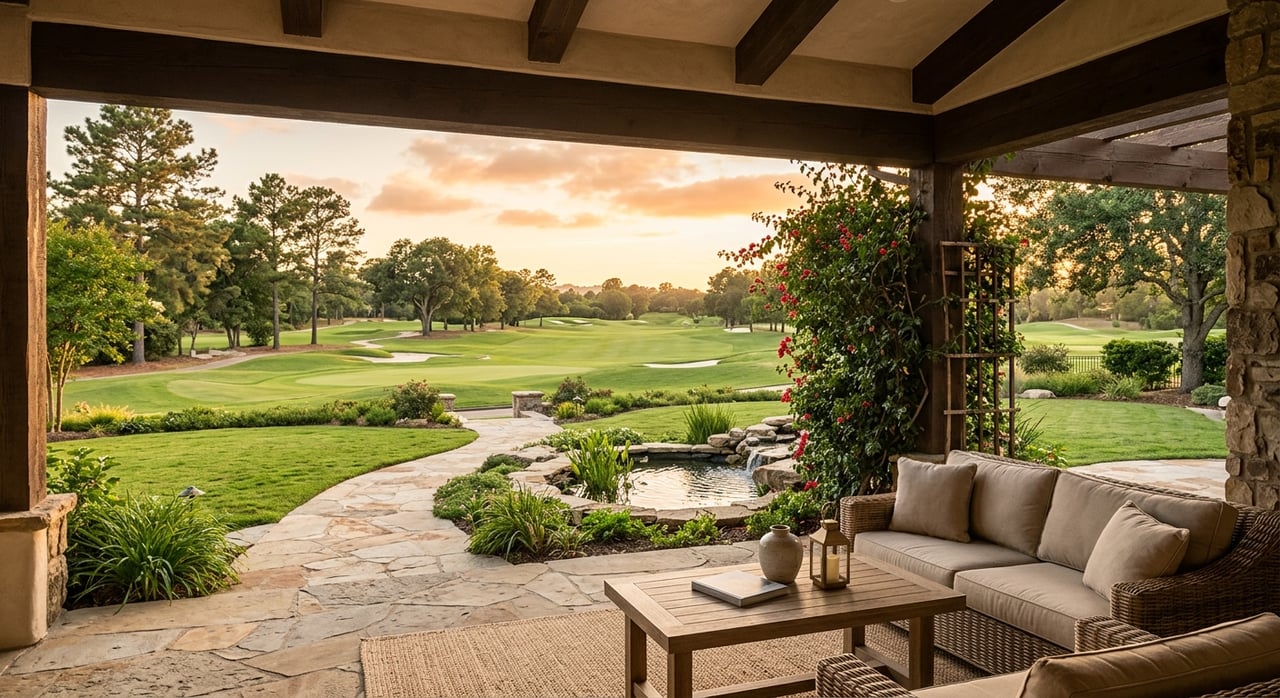
If you picture Scottsdale golf living as something only avid players enjoy, you may be missing the bigger story. In this city, golf is tied into open space, trails, parks, and the look and feel of entire neighborhoods, so living near a course can shape your day even if you rarely pick up a club. If you are considering a move, this guide will help you understand the lifestyle, the trade-offs, and the price ranges that matter most. Let’s dive in.
Golf Shapes Scottsdale Living
Golf is not a small niche in Scottsdale. Experience Scottsdale says the city markets 51 golf courses and 1,223 holes, while a City of Scottsdale golf policy document says 26 operating courses occupied more than 5,000 acres. The numbers come from different sources and time periods, but the takeaway is clear: golf is built into Scottsdale’s landscape.
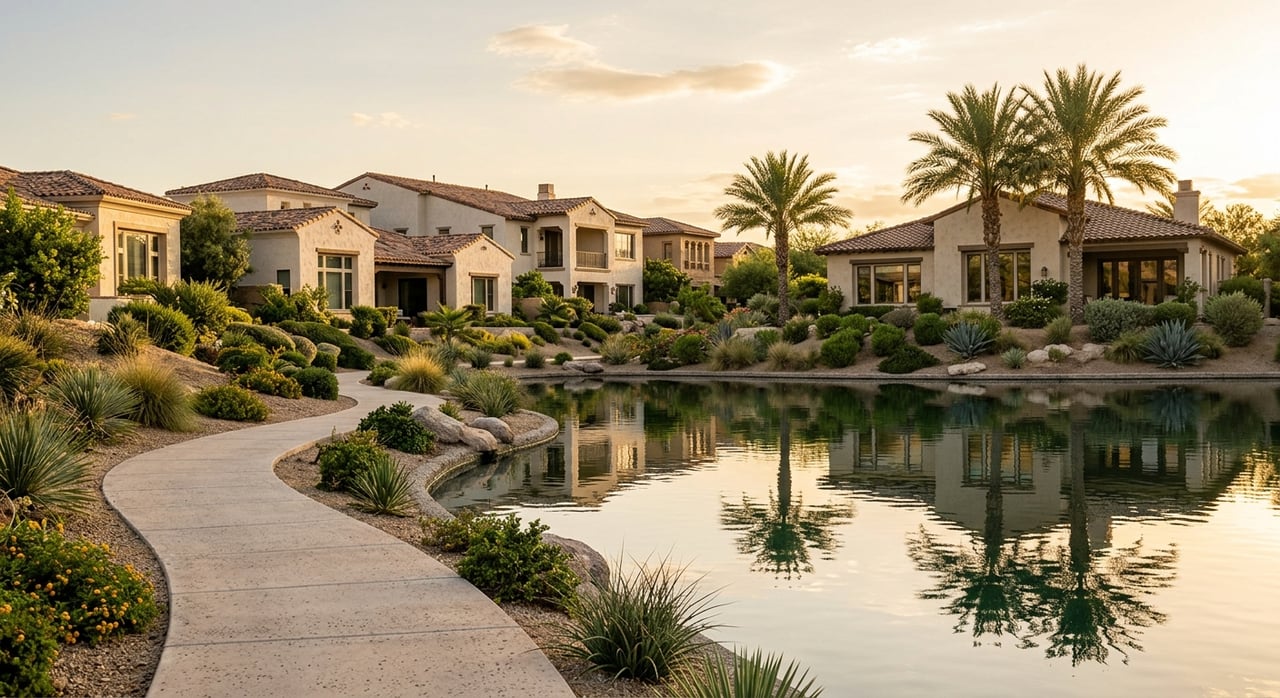
That matters because golf-adjacent living here often feels like part of a larger outdoor network, not a single-purpose setting. The city describes the Indian Bend Wash Greenbelt as an 11-mile corridor of parks, lakes, paths, and golf courses through central Scottsdale. In many areas, homes near fairways also sit close to walking paths, lakes, and other open-space features.
Golf-Adjacent Is Not Just for Golfers
One of the biggest surprises for buyers is that the appeal often extends beyond the game itself. A course-edge home may offer open views, extra visual breathing room, and easier access to outdoor spaces that support an active daily routine. That can be just as valuable if you enjoy morning walks, patio time, or nearby trail access.
Scottsdale’s broader park and preserve system reinforces that point. The city says its parks and recreation system includes more than 1,100 acres of open space, and the McDowell Sonoran Preserve offers interconnected multi-use trails. So if you are drawn to desert scenery and outdoor living, golf-adjacent neighborhoods may fit your lifestyle even if golf is only a small part of the picture.
What Daily Life Often Feels Like
The biggest factor in day-to-day life is Scottsdale’s climate. According to the city’s shade plan, Scottsdale averages 314 clear-sky days and 3,870 hours of direct sunlight each year. That level of sun is a major reason outdoor living is such a strong part of the local lifestyle.
The comfort of that lifestyle changes a lot by season. NOAA monthly normals for Scottsdale show January average highs and lows of 66.5 and 43.4 degrees, while July averages reach 104.1 and 82.6 degrees. In practical terms, that means the cooler months tend to support longer walks, more patio use, and easier tee times, while summer usually pushes activity into early mornings and shorter outdoor windows.
The city’s preserve guidance adds more context. From May to about September, triple-digit temperatures are almost daily, and the city advises early starts and careful hydration. If you live near a course, that seasonal rhythm becomes part of the experience.
Winter and Shoulder Seasons
For many residents, the most enjoyable stretch of the year is the cooler season. This is when golf-adjacent living can feel especially rewarding, with mild mornings, more usable outdoor space, and a stronger connection to nearby paths, patios, and neighborhood views. If you imagine coffee outside in January or evening walks with more open sightlines, this is the version of Scottsdale many buyers have in mind.
Summer Reality
Summer changes the routine. You may still enjoy the views, but daily life becomes more heat-managed and shade-conscious. Pools, covered patios, indoor-outdoor design, and early starts tend to matter much more when triple-digit temperatures become the norm.
The Look and Feel Near the Course
Not every golf-adjacent home feels the same. Some homes back directly to a fairway, some sit one or two streets away, and some are near a course without having direct golf frontage. That difference can affect privacy, views, lot feel, and pricing.
Scottsdale’s golf policy gives some useful clues about how these areas are meant to function. The city says courses should be integrated with surrounding land uses, use low-water native buffers, and avoid hard visual barriers where possible. For homeowners, that often means the edge between residential property and course land is designed as a landscaped transition rather than a sharp divide.
The same policy also discourages night lighting and outdoor public-address systems near residential areas. That supports a calmer residential setting, although the exact experience still depends on the location, the lot, and how the course and nearby landscaping are maintained.
Budget Matters More Than You Might Think
Scottsdale is a premium market overall, and golf-adjacent living usually belongs in that conversation. Realtor.com’s April 2026 snapshot shows a median listing price of $1.059 million, about 3,947 active listings, and a median of 65 days on market. Redfin’s April 2026 data show a median sale price of $969,499 and a median of 57 days on market.
Those figures use different methods, so they are not directly interchangeable, but they point to the same conclusion. If you are shopping for golf-adjacent property in Scottsdale, you should expect a market where budget discipline still matters, even when inventory is active.
Price Ranges Vary Across Scottsdale
One of the most important details is how much pricing changes by area. Realtor.com shows North Scottsdale at a median listing price of $1.499 million, Central Scottsdale at $1.1625 million, South Scottsdale at $849,500, and Old Town at $600,000. A luxury submarket like Desert Mountain is listed at $3.375 million.
That spread is important because it shows there is no single golf-adjacent price point. Your budget can shift significantly based on which part of Scottsdale you prefer, how close the home is to golf amenities, and whether the property offers direct views or sits in a broader golf-oriented setting.
Why Some Homes Command More
The City of Scottsdale notes that residential developments often incorporate golf courses as an amenity and as a way to add value to nearby properties. That does not mean every home near a course gets a dramatic premium. It does mean value can rise when a property benefits from strong view corridors, lot placement, and a desirable surrounding submarket.
This is where a valuation-first approach matters. If you are buying, you want to know whether you are paying for an actual location advantage or just a golf label. If you are selling, accurate pricing depends on understanding how buyers value frontage, views, buffers, and neighborhood context.
Water and Maintenance Are Part of the Story
Scottsdale golf scenery may look effortless, but it is supported by infrastructure and ongoing management. The city says it has supplied non-potable water to 23 golf courses in north Scottsdale through its Reclaimed Water Distribution System since the early 1990s. The system can deliver 20 million gallons a day for turf irrigation.
That helps explain why fairways can remain green in a desert environment. It also shows that the lush look many buyers appreciate is part of a highly managed landscape, not a naturally green setting. If you are considering golf-adjacent living, it helps to understand that the setting is intentional, maintained, and seasonally responsive.
The city also notes that peak irrigation demand occurs during summer months and overseeding periods. That is a practical reminder that course conditions, visual appearance, and maintenance rhythms may shift through the year.
The Biggest Trade-Offs to Expect
Golf-adjacent living can be beautiful, but it is not automatic perfection. The largest everyday trade-off in Scottsdale is heat. With long sunny periods and frequent triple-digit summer temperatures, your enjoyment of outdoor features will depend a lot on shade, timing, and how the home supports warm-weather living.
Another trade-off is that the course setting is still an operational landscape. Buffering, irrigation, and maintenance are part of what keeps the area attractive. That does not make golf-adjacent living a negative, but it does mean buyers should look beyond the view and think about how the property functions in every season.
Who Usually Likes This Lifestyle Most
Golf-adjacent living tends to appeal to several types of buyers. Some are active golfers who want easier access to the game and a course-oriented setting. Others simply want more open views, a resort-like feel, and proximity to Scottsdale’s larger network of outdoor amenities.
It can also be a good fit if you are relocating and want a home that reflects the Scottsdale lifestyle many people imagine before they move here. Open sky, managed landscaping, nearby trails, and strong seasonal outdoor living all play a role in that appeal.
How to Evaluate a Golf-Adjacent Home
If you are comparing homes near golf in Scottsdale, it helps to look at more than the listing photos. Focus on the specific position of the lot, the view corridor, the amount of buffering, and how the home handles heat and sun exposure. A property that looks ideal online may feel very different in person depending on orientation and outdoor usability.
You should also compare the home to the surrounding submarket, not just to other golf properties. In Scottsdale, neighborhood location can shift value dramatically. A careful review of pricing, setting, and ownership considerations can help you decide whether the premium matches the actual lifestyle benefit.
If you are selling, that same detail matters in reverse. Buyers will respond differently to a home that is directly on the course, near the course, or simply within a golf-oriented community. Pricing and presentation should reflect those distinctions clearly.
If you want help sorting through golf-adjacent options in Scottsdale, or you need a pricing strategy grounded in local valuation logic, Gina Wilkerson can help you make a confident move with clear, personalized guidance.
FAQs
Is golf-adjacent living in Scottsdale only for golfers?
- No. In Scottsdale, golf-adjacent neighborhoods often connect to a broader network of parks, trails, lakes, and open space, so the appeal can extend well beyond the game itself.
What is the biggest challenge of golf-adjacent living in Scottsdale?
- Heat is usually the biggest practical factor. Scottsdale’s climate supports outdoor living for much of the year, but summer often requires early mornings, shade, hydration, and shorter outdoor time.
Do homes near golf courses in Scottsdale always cost more?
- Not always. Scottsdale is already a premium market, and some golf-adjacent homes gain value from views, lot placement, and neighborhood context, but the price effect varies by location.
How does water affect golf-adjacent living in Scottsdale?
- Water plays a meaningful role because many north Scottsdale courses use the city’s reclaimed water system for irrigation, which helps maintain green turf in a desert setting.
Which parts of Scottsdale have higher home prices near golf amenities?
- Market snapshots show a wide range across the city, with North Scottsdale generally higher than Central Scottsdale, South Scottsdale, and Old Town, though exact pricing depends on the home and submarket.
What should you look for when buying a golf-adjacent home in Scottsdale?
- Pay close attention to the lot position, view corridor, buffering, sun exposure, outdoor usability, and how the property compares with the surrounding neighborhood’s pricing.