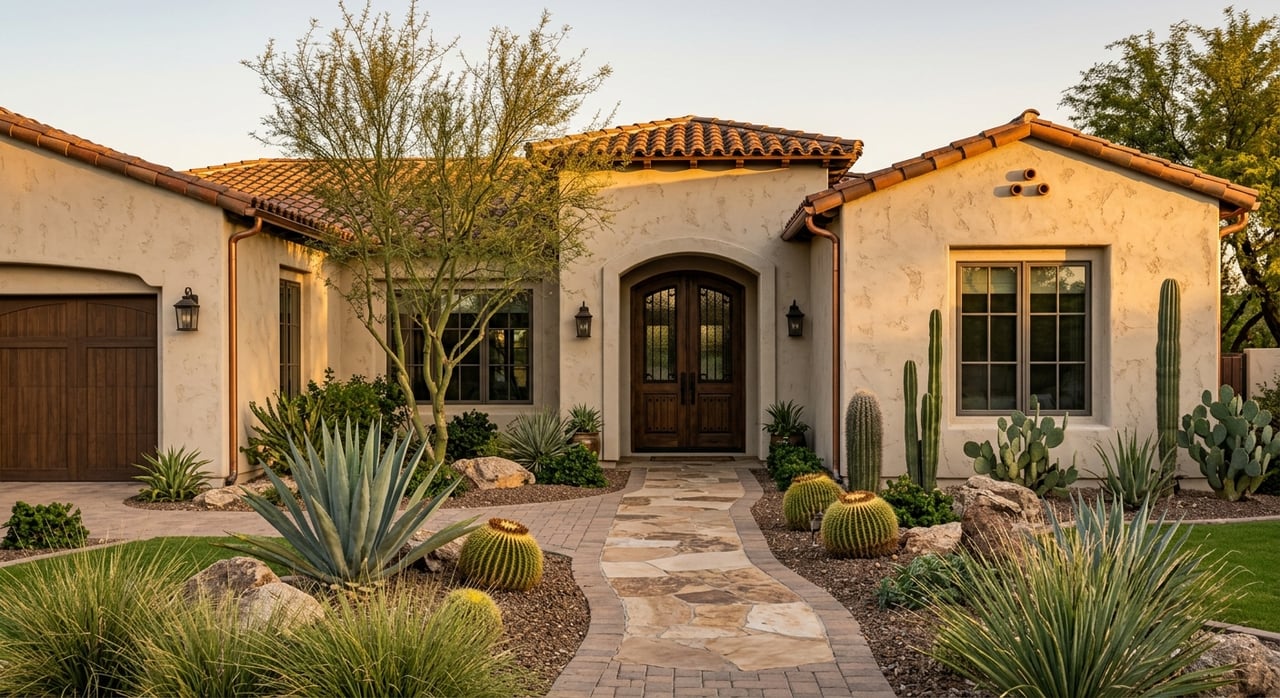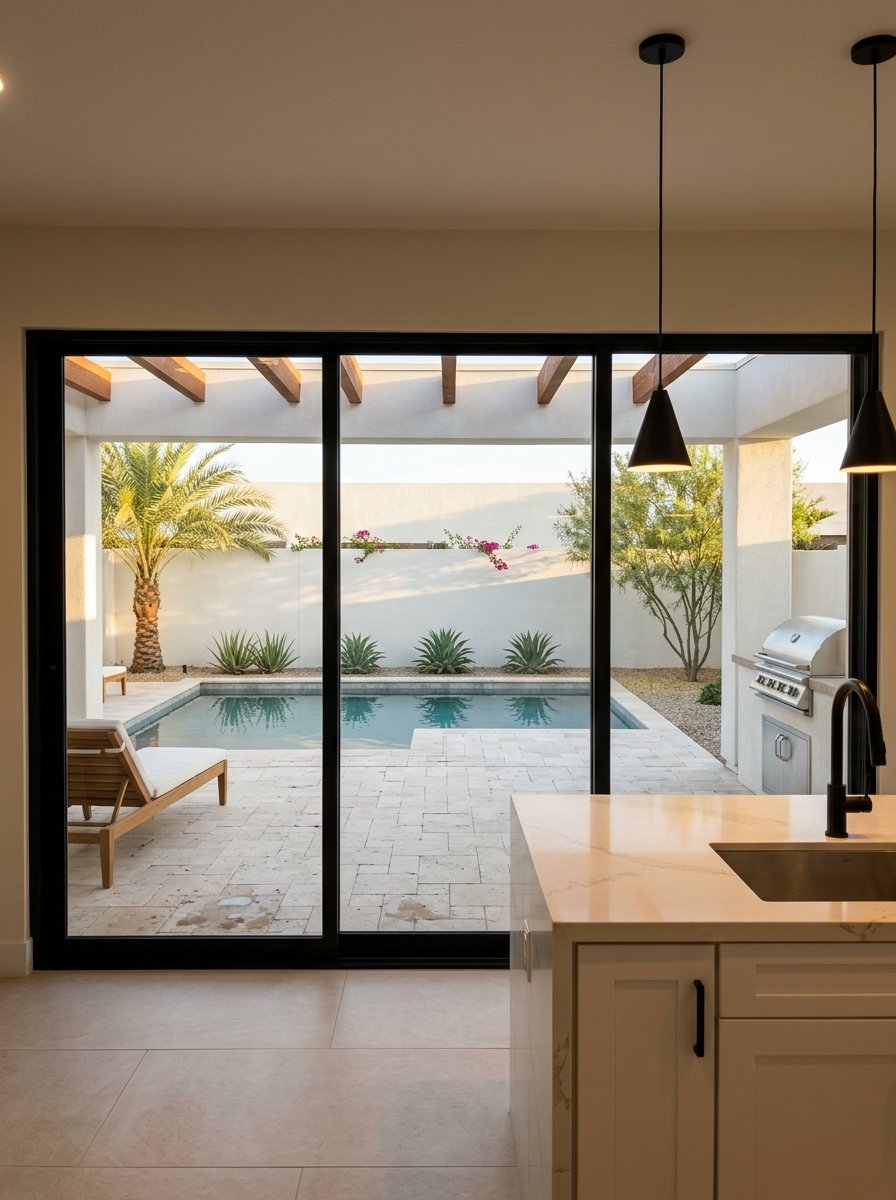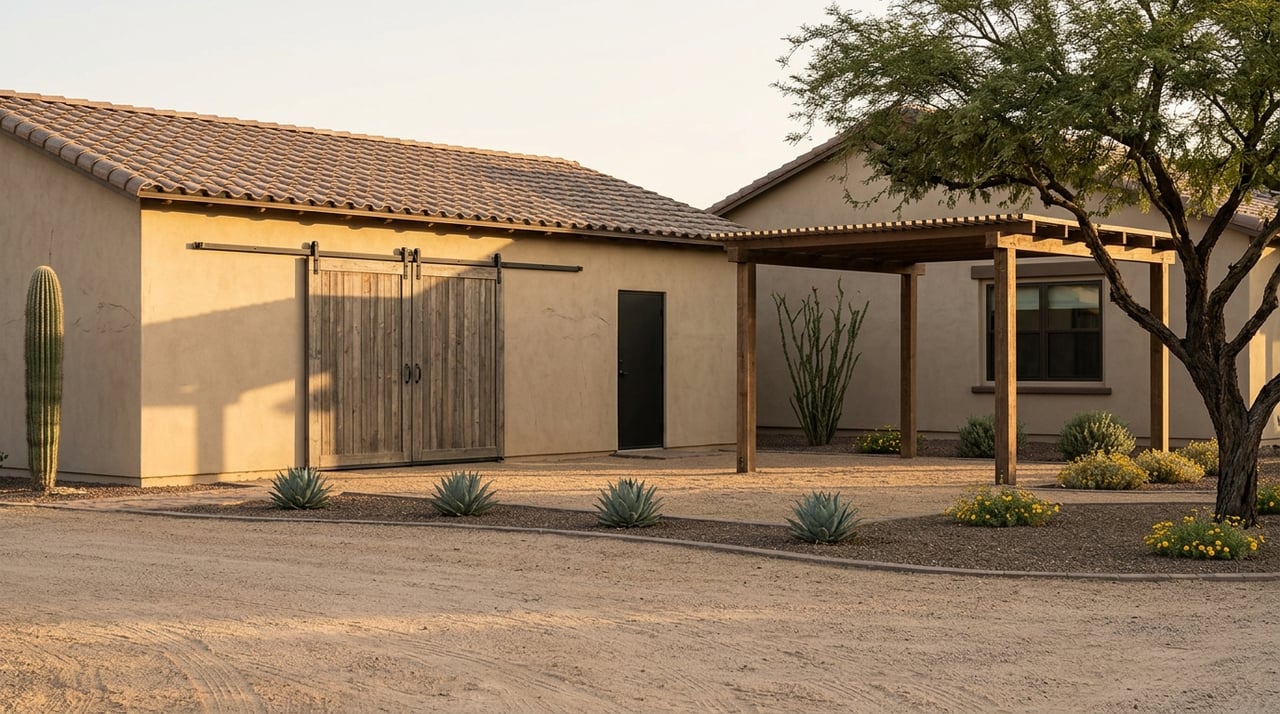
If you picture Arizona living as wide-open desert, starry night skies, and room for horses, Cave Creek likely feels like the place you have been searching for. At the same time, buying or selling here comes with questions that do not always come up in more typical suburban neighborhoods. You need to understand how land, trails, zoning, roads, and utilities shape daily life and long-term value. Let’s dive in.
Why Cave Creek Feels Different
Cave Creek describes itself as a rural desert community with roots in mining and ranching history. The town says it was founded in 1870, incorporated in 1986, and has an estimated 2025 population of 5,238 across 37.91 square miles. That lower-density setting is a big part of the appeal if you want more space and a stronger connection to the Sonoran Desert.
The town also leans into its Western heritage, Old West character, and walkable core of boutique shopping, art galleries, restaurants, and nightlife. That mix gives you a lifestyle that feels both rural and social. You can enjoy open space and trails, then still spend time in a lively town center.
A substantial percentage of Cave Creek is open space, and the town notes that trails, dark skies, and wildlife are part of daily life. Many properties abut trails or are crossed by them, which can add to access and enjoyment. For many buyers, that connection to the landscape is a major reason Cave Creek stands apart from other Greater Phoenix communities.
Desert Living Starts With the Land
In Cave Creek, the property itself often matters as much as the house on it. Larger lots, scenic desert views, and trail access can be a major draw, but they also require a closer look before you buy or list. Not every acre on paper translates into fully usable space.
What DR zoning means
The Desert Rural, or DR, zone is the main framework behind Cave Creek’s larger-lot lifestyle. According to the zoning ordinance, DR zoning is intended to reduce conflicts between urban and desert land uses while protecting scenic vistas, natural habitats, hillsides, washes, and the natural environment.
The code sets minimum lot sizes of 43,000, 70,000, 89,000, and 190,000 square feet. It also regulates height, setbacks, and lot disturbance. That means a parcel may look generous in size, but your buildable or improvable area can be more limited than you expect.
Why usable acreage matters
This is one of the most important practical points in Cave Creek real estate. Site design, drainage, access roads, utilities, washes, and steep slopes can all affect what you can place on a lot. If you are evaluating a horse property or lifestyle parcel, you want to understand not just acreage, but usable acreage.
For sellers, this also affects how a home should be positioned in the market. A smart valuation approach looks beyond square footage and compares features like trail adjacency, development envelope, and how the site supports outbuildings or equestrian use. That kind of detail can shape both price and buyer interest.
Equestrian Living in Cave Creek
Cave Creek has a real horse-property identity, but it is important to know what that means locally. In this market, equestrian value is tied to zoning, lot size, and site layout, not just a listing description. If a property is labeled horse-friendly, you still want to verify how it fits town standards.
When horses are allowed
The town’s notice says ranching and the possession of horses or other livestock is a right on at least two contiguous acres in a DR zone. The current residential code adds that private ranch uses may include boarding, breeding, equine training, equine lessons, and the sale of ranch animals.
Commercial ranches have a different threshold. They require at least five contiguous acres and special use approval. That distinction matters if you are looking at a property for more than personal use.
Trails are part of the lifestyle
Trails are a major part of Cave Creek’s appeal for riders and non-riders alike. The town says trails are open to hiking, biking, and horseback riding, and the subdivision ordinance reserves dedicated trail easements for public equestrian, pedestrian, and non-motorized vehicle use only.
That public trail network helps define the experience of living here. Buyers often value direct or nearby trail access because it supports recreation and makes the open-space setting feel more connected. Sellers with trail-adjacent properties may have a meaningful lifestyle feature to highlight, as long as it is presented accurately.
Daily Ownership Looks Different Here
Cave Creek offers a rewarding lifestyle, but it also asks more of you as an owner. Rural services, desert conditions, and infrastructure realities can affect monthly costs, maintenance, and planning. If you are relocating from a more urban area, these details are especially important.
Water and conservation
Water is one of the biggest long-term ownership considerations in Cave Creek. The town says its water system is currently about 95 percent dependent on Colorado River water delivered through the Central Arizona Project. It also expects a delivery reduction starting in 2027, with a current planning projection of a 25 percent reduction.
The town says it does not currently have active wells to supplement that supply and encourages conservation and desert-friendly landscaping. For buyers, that makes low-water outdoor design more than a style choice. It is part of planning for ownership in this environment.
Roads, access, and weather
Cave Creek says it is predominantly serviced by rural roads with low speed limits. Many properties are reached by private roads that are not maintained by the town. The town also notes that roads, trails, and washes may become impassable during extreme weather.
That can influence everything from daily convenience to property maintenance. If you are buying, it is worth understanding how a home is accessed and what road responsibilities may come with it. If you are selling, clear information about access can help buyers feel more confident.
Utilities and service levels
The town’s Code of the West page explains that life in Cave Creek differs from big-city life and that town government cannot provide the same level of service as larger cities. Sewer service is not available in all areas, trash collection is not provided municipally, and water rates may be higher than in some other places.
The same town information also says Cave Creek does not assess a municipal property tax. That does not erase other ownership costs, but it is part of the local financial picture. Buyers benefit from looking at the full cost of ownership, not just the purchase price.
Fire safety and dark skies
Desert ownership also comes with wildfire and lighting considerations. The town promotes defensible space, invasive-plant removal, and wildfire readiness. It also requires outdoor lighting to be fully shielded and cast downward to preserve dark skies.
Those rules and recommendations help protect the landscape that draws many people here in the first place. They also affect how you plan improvements, landscaping, and exterior features. Even driveways and septic systems can count toward land disturbance calculations under the subdivision ordinance.
Recreation Supports the Lifestyle
Cave Creek’s outdoor recreation options reinforce its desert and equestrian identity. If you enjoy riding, hiking, or simply spending time in open desert settings, the area offers several notable public spaces. That access can be a meaningful part of why people choose to live here.
The town highlights Gateway Desert Awareness Park, Spur Cross Ranch Conservation Area, and Cave Creek Regional Park. Maricopa County says Cave Creek Regional Park offers more than 11 miles of trails, a horse staging area, and shared-use trail access. Spur Cross Ranch Conservation Area spans 2,154 acres and includes more than 12 miles of trails and a horse staging area.
These amenities do more than add recreation. They support the everyday identity of Cave Creek as a place where desert scenery, trail systems, and rural living are woven together. That creates a value story that is different from a typical master-planned neighborhood.
What Buyers Should Evaluate Carefully
If you are shopping for desert or equestrian property in Cave Creek, it helps to think beyond the house itself. The right purchase often comes down to how well the parcel matches your goals and comfort level with rural ownership. A careful review upfront can prevent expensive surprises later.
Here are a few smart questions to ask:
- Is the property in a DR zone?
- Does the parcel meet the acreage threshold for horses?
- How much of the lot is realistically usable?
- Are there washes, slopes, or disturbance limits that affect improvements?
- Is access from a town-maintained road or a private road?
- Are there trail easements on or near the property?
- What water, sewer, septic, and trash arrangements apply?
- How will desert landscaping, fire prevention, and maintenance affect ongoing costs?
A valuation-first approach can be especially helpful here. In a market like Cave Creek, two homes with similar square footage can offer very different land utility, ownership costs, and lifestyle benefits.
What Sellers Should Understand About Value
If you are selling in Cave Creek, your home’s value may be influenced by more than interior finishes and bedroom count. Buyers often look closely at acreage, trail access, views, desert setting, road access, and whether the parcel supports the lifestyle they want. Those factors deserve careful, evidence-based pricing.
This is where detailed property analysis matters. A home on a larger parcel with better usability, stronger trail connectivity, or a more practical equestrian setup may compete very differently from another property nearby. Pricing that reflects those differences can help attract serious buyers and reduce avoidable friction during the transaction.
For many sellers, presentation matters too. Cave Creek buyers are often purchasing a lifestyle, so clear marketing should explain the land, setting, and ownership features in a way that feels accurate and easy to understand.
If you are considering a move in Cave Creek, working with an advisor who understands valuation, property risk, and the details that shape desert living can make a meaningful difference. To talk through your goals, connect with Gina Wilkerson.
FAQs
What makes Cave Creek different from other Phoenix-area communities?
- Cave Creek is a rural desert community with open space, trails, dark skies, Western heritage, and larger-lot living that differs from more urban and suburban areas.
Can you keep horses on residential property in Cave Creek?
- The town says horses or other livestock are allowed on at least two contiguous acres in a DR zone, subject to zoning and site rules.
How large are lots in Cave Creek’s DR zoning?
- The current DR minimum lot sizes range from 43,000 to 190,000 square feet, or about one acre to 4.4 acres.
Are Cave Creek trails open to the public?
- Yes. The town says trails are open to hiking, biking, and horseback riding, and dedicated trail easements are reserved for equestrian, pedestrian, and non-motorized use.
What utility issues should Cave Creek home buyers ask about?
- Buyers should ask about water supply, sewer or septic setup, trash service, road maintenance, and how those factors may affect ongoing ownership costs.
Why does usable land matter so much for Cave Creek properties?
- Zoning, setbacks, washes, slopes, access, and disturbance limits can reduce how much of a parcel can actually be improved or used for features like barns, corrals, or arenas.