Wondering why two Cave Creek homes with similar square footage can sell for very different prices? In this market, style, lot utility, and lifestyle features often drive value as much as size. If you are comparing adobe ranches, desert‑contemporary estates, equestrian properties, or lock‑and‑leave condos, a little local insight can help you buy smarter or list with confidence. This guide breaks down how common home styles and lot factors shape resale in Cave Creek, with practical checklists you can use right away. Let’s dive in.
Cave Creek market snapshot 2026
Cave Creek sits in the upper tier of the Phoenix metro. Zillow’s Home Value Index estimates an average of about $1,031,380 as of January 31, 2026, while Realtor.com’s December 2025 snapshot shows a median near $999,500 with roughly 367 active listings. Different providers use different reporting windows, so always note the date and source when you compare prices.
Pricing and inventory trends vary by segment. Luxury golf and estate enclaves tend to post higher prices per square foot and tighter inventory than the town’s average, while entry‑level condos and townhomes follow a different rhythm. Recent market trackers describe relatively stable year‑over‑year pricing in 2025 with mixed inventory levels across segments, which makes style, lot utility, and amenities key value levers for your search or sale (market rhythm overview).
The big value drivers
Lot size and usable acreage
In Cave Creek, usable space matters more than headline acreage. Flat, buildable areas that can support a pool, guest casita, or an arena for horses command a premium over steep or wash‑encumbered parcels. Communities with 1 to 2 acre custom sites, and select 3 to 5 acre estates, show wide variations in value based on how much of the land you can actually use.
Zoning and CC&Rs
Cave Creek’s desert‑rural (DR) zoning allows horses when you have the required contiguous acreage, but some subdivisions use CC&Rs that restrict livestock even if zoning permits it. This mismatch is a common pitfall. Before you write an offer, verify both the property’s zoning and any recorded covenants using the Town’s guidance on due diligence (zoning and CC&R notice).
Views and open space
Unobstructed desert and mountain views, plus adjacency to conserved open space or trail networks, typically increase buyer willingness to pay. Appraisal literature has long treated view quality as a measurable amenity that can add a meaningful premium, especially for scarce, spectacular vistas (view amenity research). The most reliable way to quantify the impact is to compare local comps that isolate similar lots.
Utilities and water systems
Many Cave Creek homes sit on municipal water, private water companies, or private wells; septic systems are common on larger lots. Well capacity, pump logs, septic sizing, and permit history affect what you can build and how you live day to day, which in turn affects resale. Ask for well tests, ADWR filings, and septic design reports during due diligence (well and septic FAQs).
Community amenities
Gated communities with concierge services, private golf, and managed common areas often post higher list and sold prices per square foot than nearby non‑amenitized areas. If you are eyeing a golf enclave, clarify which rights transfer with the home versus which require a separate club membership. That distinction can influence both your budget and resale.
Energy and outdoor living
Owned rooftop solar has been associated with sale price premiums in multi‑state studies, but the current Arizona net‑billing rules and whether panels are owned or leased can change buyer reception. Confirm ownership, remaining warranty, and recent production data before you buy or list (solar premium analysis). Outdoor living also matters. In warm‑climate markets like Arizona, well‑integrated pools, shade structures, and outdoor kitchens often improve marketability and reduce time on market, while neglected pools can be a liability (NAR remodeling guidance).
Cave Creek home styles and resale
Southwestern and adobe ranch
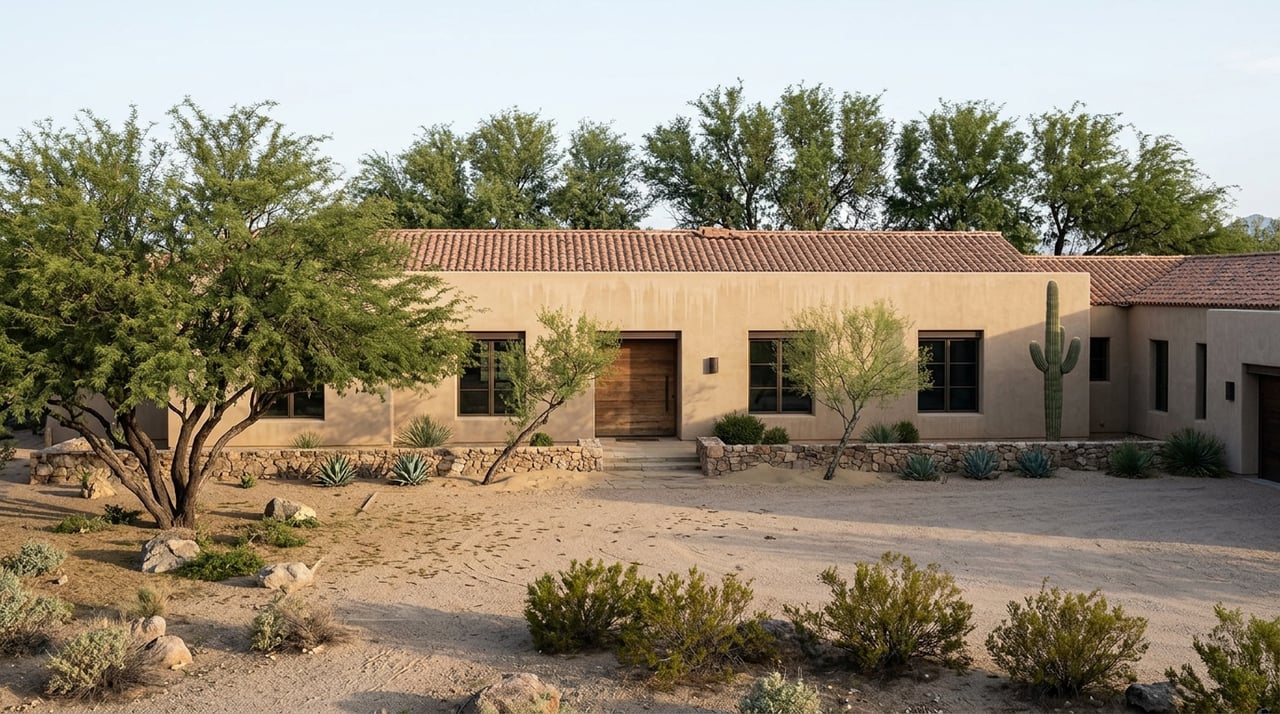
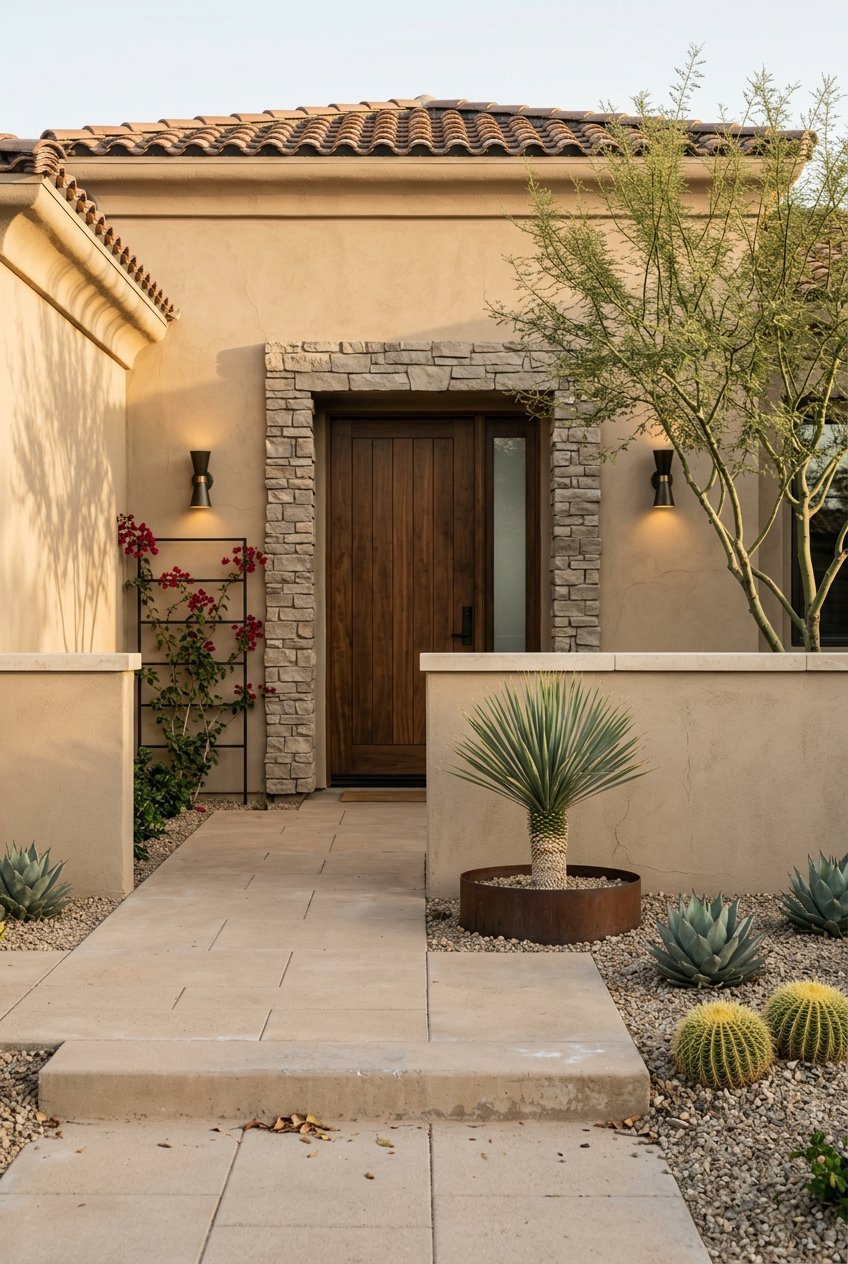
These single‑story homes lean into earth‑tone stucco, covered portals, courtyards, and kiva fireplaces. They feel authentic to the Sonoran Desert and are popular with move‑up buyers and downsizers who want single‑level living. Authentic character combined with updated systems tends to sell well; dated HVAC, roofs, and kitchens can lead to buyer discounts for expected upgrades. For background on Southwestern elements and appeal, see this overview of regional styles (Southwestern style primer).
Desert‑contemporary estates
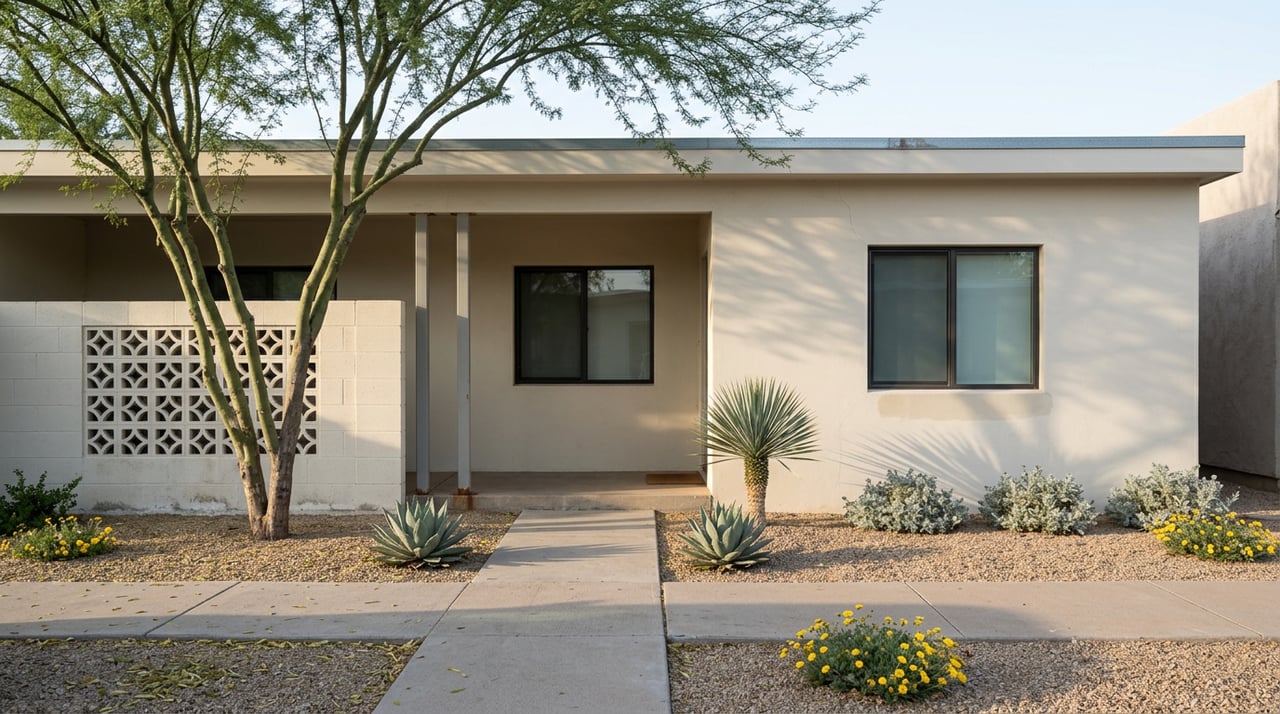
Clean lines, engineered materials, and large glass walls frame mountain and desert vistas in this custom segment. These homes often sit on 1+ acre sites in low‑density enclaves or private parcels and attract buyers who value design and privacy. High‑quality architecture on a premium view lot can command top prices per square foot. Liquidity can be slower due to a smaller buyer pool, so pricing should rely on enclave‑level comparables, not townwide medians.
Equestrian and ranch properties
The headline here is usability. Flat turnout, quality fencing, reliable well capacity, barns with solid construction, and a safe arena surface will usually draw stronger interest than raw acreage with wash constraints. Trail access and clear compliance with local rules help, too. Document well flow, septic capacity, and improvement specs before you list, and request them before you buy.
Mediterranean and Spanish blends
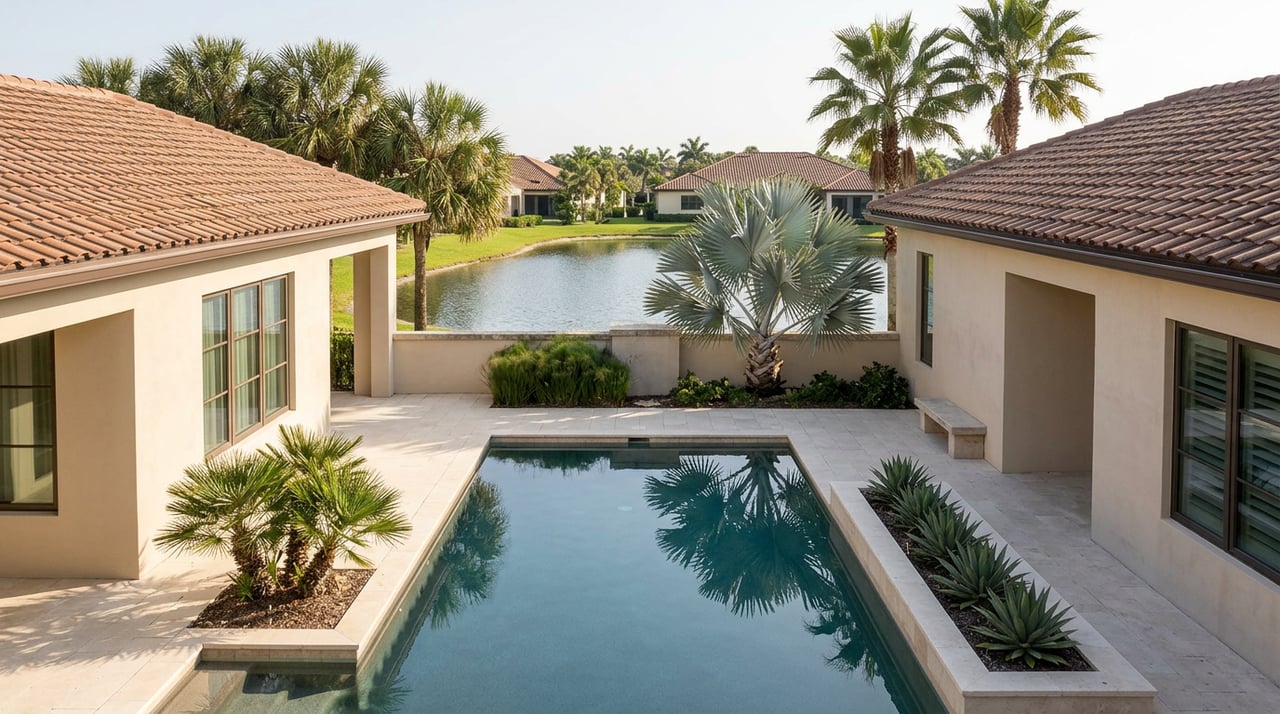
Red‑tile roofs, arched openings, and interior courtyards provide timeless curb appeal that fits the region’s climate. These homes perform well when finishes and systems are current. Preserve original details where possible and complete updates that respect the style for the best resale response (updating and style fit).
Townhomes and condos
Lock‑and‑leave communities near the town core or golf areas offer lower maintenance and broader affordability than many custom estates. That wider buyer pool can shorten marketing time. Value is sensitive to HOA dues, reserves, rental policies, parking rules, and whether you have a private yard or a true low‑maintenance courtyard. Review the full HOA package before you commit.
Buyer and seller checklists
If you are buying
- Confirm zoning, minimum acre requirements, and recorded CC&Rs before you write an offer. Use the Town’s notice as your starting point (zoning and CC&R notice).
- For horse properties, request well pump tests, septic design reports, arena and fence construction details, and maintenance records; check proximity to trailheads and floodplain maps (well and septic FAQs).
- For homes with solar, verify ownership vs lease, remaining warranty, and annual production; ask how the local utility compensates exported energy (solar premium analysis).
- For townhomes/condos, ask for recent budgets, reserve studies, CC&R rental rules, and a list of fees. Compare dues to your expected maintenance savings.
If you are selling
- Price with enclave‑level comps, especially for custom or view properties. Luxury and golf segments behave differently than the town average.
- Document your home’s unique features and service history, including HVAC age, roof work, pool equipment, water system details, and any solar warranties.
- Prioritize high‑impact updates: fresh neutral paint, curated outdoor lighting, clean and safe pool systems, and desert‑appropriate landscape cleanup. NAR guidance highlights outdoor living, kitchen, and bath improvements as consistent buyer magnets (NAR remodeling guidance).
Match style to lifestyle
- Move‑up families often seek single‑level Southwestern plans with flexible yards for pools and play. Focus on condition, mechanicals, and yard usability.
- Downsizers and second‑home buyers lean toward updated adobe ranches or lock‑and‑leave condos near amenities. Pay close attention to HOA rules and dues.
- Design‑forward buyers prioritize desert‑contemporary architecture on premium sites. Use enclave comps and weigh view quality carefully.
- Equestrian households need flat, usable acreage with documented water and septic capacity. Verify zoning and CC&Rs early to avoid surprises.
Plan your next move
Your best outcome in Cave Creek comes from pairing style with the right lot and verifying the details that affect daily living and resale. If you want a clear, valuation‑first plan for buying or selling, reach out for a personalized strategy and on‑point comparables. Connect with Gina Wilkerson to get tailored guidance and a precise read on value.
FAQs
Do views add measurable value in Cave Creek?
- Yes. Appraisal research shows that high‑quality views can add a quantifiable premium, which you should validate with local comps that isolate similar view lots (view amenity research).
How does zoning affect horse properties in Cave Creek?
- DR zoning can allow horses with the required contiguous acreage, but subdivision CC&Rs may restrict livestock, so verify both zoning and recorded covenants before you buy (zoning and CC&R notice).
Do pools boost resale in Arizona’s climate?
- Often yes. Well‑integrated outdoor living and safe, maintained pools can reduce time on market, though the exact uplift depends on neighborhood and price tier (NAR remodeling guidance).
Are solar panels always a plus at resale?
- Owned systems have shown historical premiums in multi‑state studies, but local utility rules and system details matter; confirm ownership, warranty, and recent production (solar premium analysis).
What matters more than acreage on equestrian lots?
- Usable, flat space with reliable water, proper septic, quality fencing, and documented barn/arena construction typically drives value more than raw acreage alone (well and septic FAQs).