Moving for work should feel like a career step forward, not a daily headache. If Chandler is on your radar, you’re looking at a city with strong job centers, practical commutes and a lifestyle that is easy to settle into. Whether you are heading to a semiconductor campus, a finance hub or a healthcare shift, you want a neighborhood that matches your schedule and your budget. In this guide, you’ll learn where the jobs are, how to plan your commute, which neighborhoods to consider and how to make a fast, confident move. Let’s dive in.
Why Chandler works for professionals
Chandler offers midsized-city convenience with a strong income base and well-defined employment hubs. The city counts roughly 281,000 residents and a median household income above $100,000, which signals a stable local economy and broad professional workforce. According to U.S. Census QuickFacts, the average commute for Chandler workers is about 24.2 minutes. Your actual drive will vary by neighborhood and shift time, but the regional freeway network makes cross‑Valley travel manageable.
Chandler’s employer mix supports a wide range of careers. The city’s leading employers include semiconductor and high‑tech manufacturers, finance and corporate services, and sizeable healthcare and education anchors. You can scan the latest City of Chandler leading employer list to see the names that shape the local job map.
Where the jobs are
Price Corridor
This is Chandler’s primary tech and corporate district. The intersecting Loop 101 and Loop 202 create efficient access for large campuses and suppliers along Price Road. If you work in semiconductor manufacturing, engineering or corporate operations, living near the corridor can cut your daily drive. Explore the Price Corridor overview to understand the layout and major nodes.
Airpark Area
Along the Santan Freeway near Chandler Municipal Airport, the Airpark Area continues to grow with tech, manufacturing and logistics uses. If your workday involves operations, production or regional distribution, proximity to the Airpark Area can be a smart play.
West Chandler
This area mixes industrial, distribution and retail employers with quick freeway access. For many professionals in finance, corporate services or light industrial roles, West Chandler offers an alternative commute pattern and frequent reverse-commute opportunities. Review the city’s West Chandler district for context.
Healthcare and education anchors
Chandler Regional Medical Center and nearby facilities generate 24‑hour staffing needs across clinical and support roles. Chandler‑Gilbert Community College also anchors education jobs. You can confirm major sites on the city’s leading employers list to plan a commute-friendly search.
Commute basics and how to plan
Two freeways do most of the heavy lifting for Chandler commutes. Loop 101 runs north‑south, while Loop 202 arcs east‑west. Together, they connect you to Tempe, Phoenix, Mesa and Gilbert. Morning and evening peaks can slow traffic on both loops and on arterials like Price Road, Alma School, Arizona Avenue, Ray Road and Chandler Boulevard. The citywide average commute clocks in around 24 minutes, but trips that cross multiple submarkets at rush hour can take longer. Plan for a live test drive before you choose a neighborhood.
Public transit and microtransit
- Valley Metro buses operate local and regional routes across Chandler, with connections to light rail in Mesa and Tempe. Explore options on the Chandler transit page if you prefer a bus‑assisted commute.
- Chandler Flex is the city’s on‑demand, shared microtransit service. It is designed as a first‑ and last‑mile solution inside a defined zone, with a low fare and student promotions in select periods. Check the current Chandler Flex fact sheet for service maps and hours before you rely on it for daily travel.
Smart commute planning steps
- Time your exact route. Do a weekday morning and evening drive from your top neighborhoods to your worksite to learn true door‑to‑door times.
- Consider a hybrid strategy. If you have flexible in‑office days, weigh slightly longer commutes against neighborhood amenities you value.
- Map multiple exits. Living near both Loop 101 and Loop 202, or near a reliable arterial, can reduce stress when traffic is heavy.
Neighborhood fit for your worklife
Chandler offers a range of housing settings that pair well with different commute and lifestyle priorities. Here is a quick, commuter‑minded snapshot:
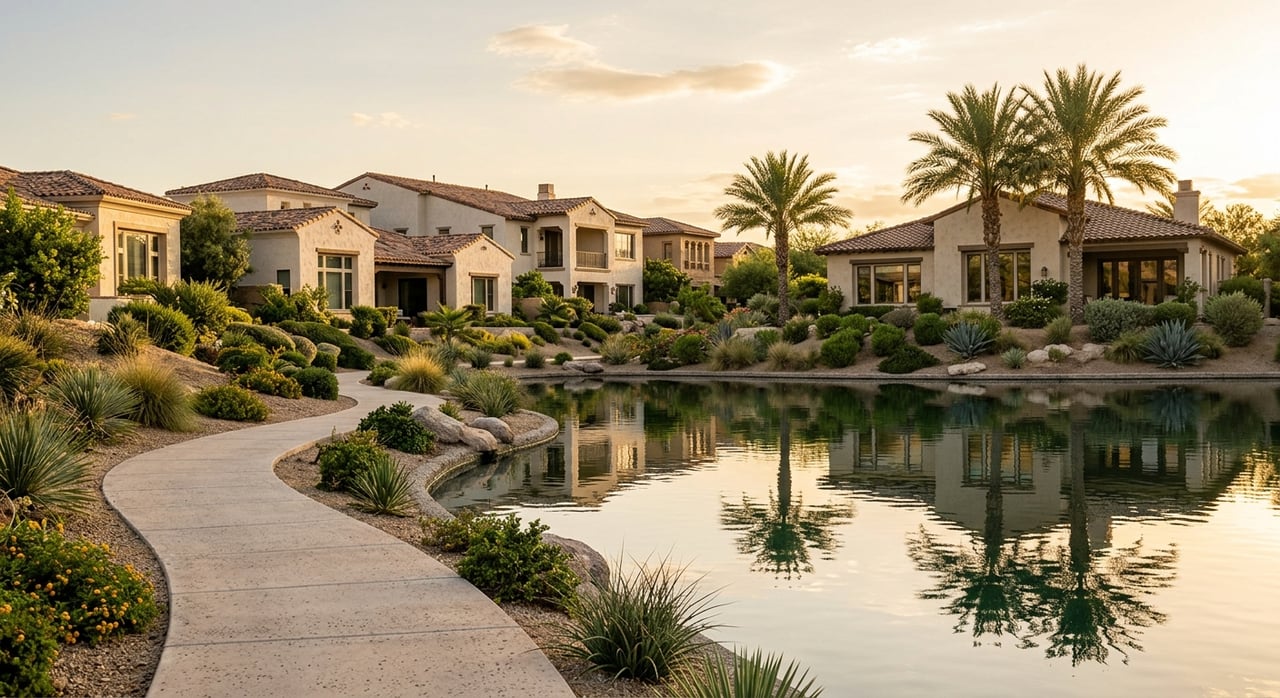
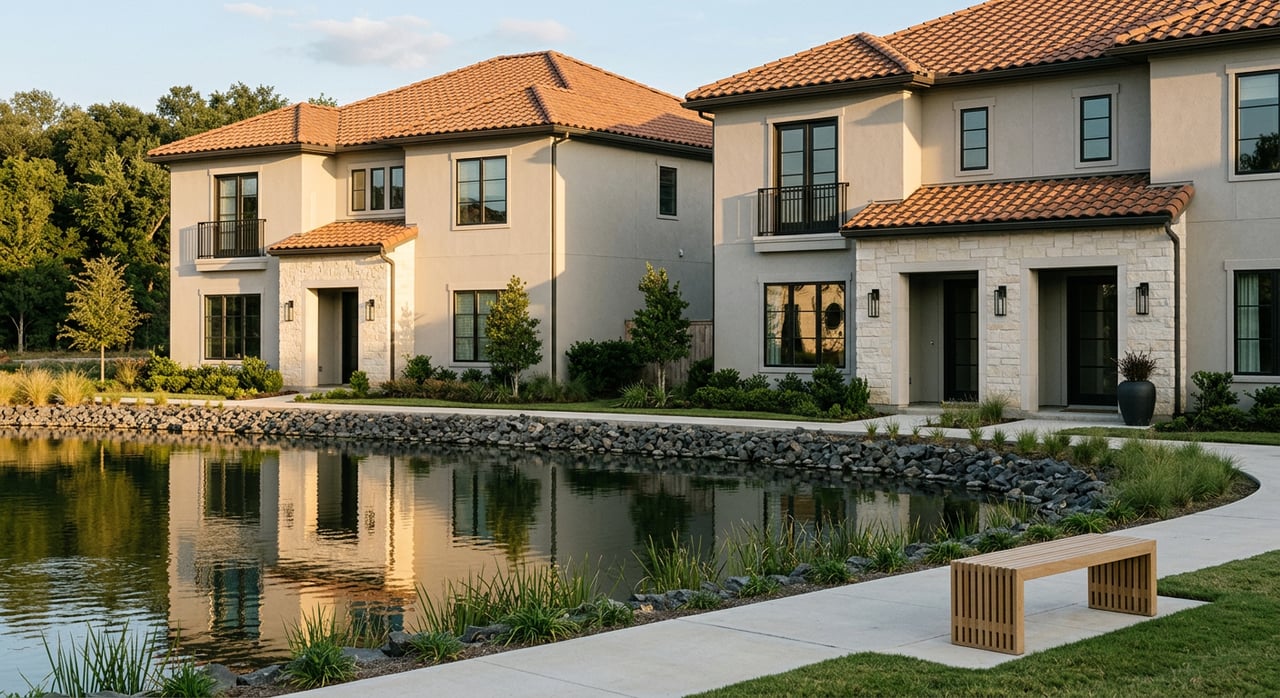
- Ocotillo and Fulton Ranch. Master‑planned areas with lakes, paths and golf‑adjacent pockets. If you work in the Price Corridor, these can provide a short drive and a polished, amenity‑rich environment with a mix of single‑family homes and townhomes.
- Downtown and Uptown Chandler. Near restaurants, breweries and the Chandler Center for the Arts. If you value a walkable evening scene and short in‑city drives, this core can be a practical base. Check out the Chandler Center for the Arts for year‑round programming and community events.
- West Chandler corridors. A blend of older single‑family homes and newer infill close to Chandler Fashion Center and freeway ramps. This setup can suit reverse commutes or multi‑site work.
- Sun Lakes and nearby 55+ options. If an age‑restricted household member prefers a dedicated active‑adult setting, these communities sit just south of many Chandler job sites. This can simplify household logistics if different members have different daily patterns.
Housing types and budget context
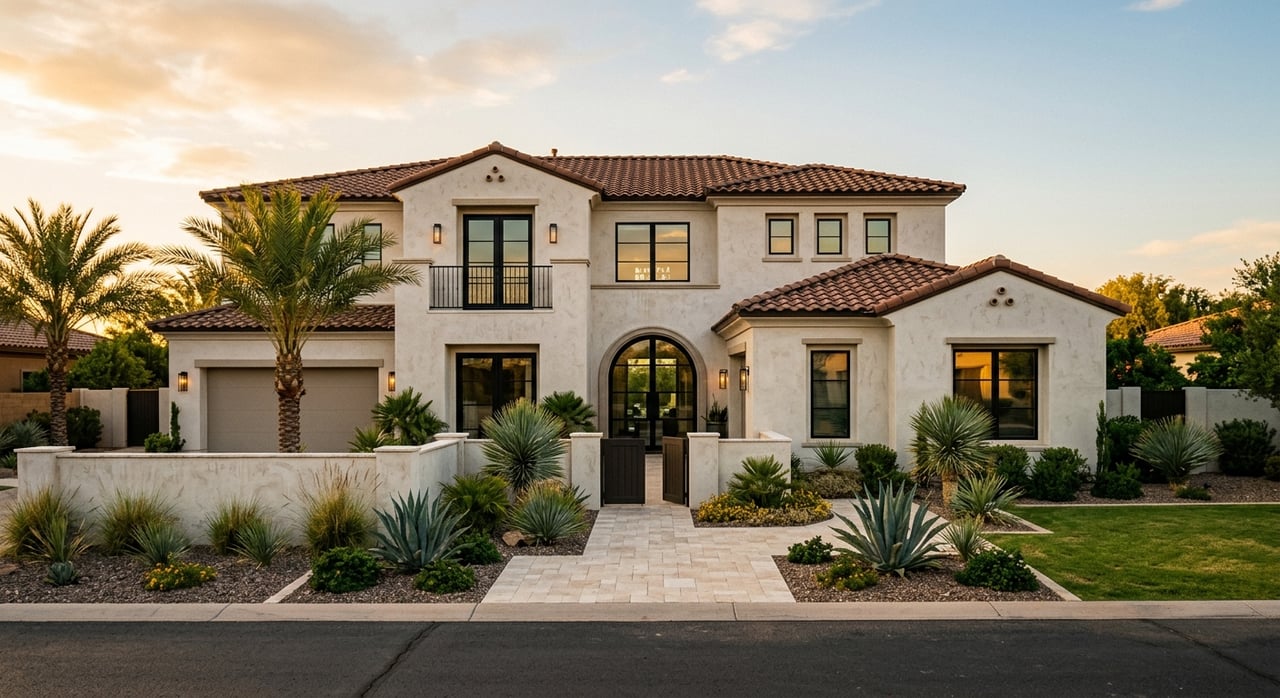
You will find the full spectrum: single‑family homes in established subdivisions, newer townhomes and condos for lower maintenance, and modern apartment communities near retail and the Price Corridor. Gated pockets, lake lots and golf‑adjacent homes are common in certain master‑planned areas.
For a quick benchmark, recent trackers show a split view. One MLS‑based source placed the median Chandler sale price near $557,500 in February 2026, while another home value index estimated a typical value around $516,460 through late January 2026 and average rents near $1,850 per month. Different methods and timelines explain the gap. Treat these as general guideposts and plan to review live comps that match your property type, neighborhood and condition.
If you are relocating on a tight timeline, lean on valuation discipline. Matching your budget to realistic comps and HOA fees, understanding insurance line items and checking for any short‑term rental restrictions will help you make a fast, confident offer.
Everyday life: dining, parks and culture
- Retail and dining. Chandler Fashion Center anchors major shopping, with big‑box retail and dining nearby. For a quick overview, see the Chandler Fashion Center profile.
- Arts and events. The Chandler Center for the Arts supports concerts, performances and community programming, and downtown hosts festivals and a farmers’ market through the year.
- Parks and paths. Many neighborhoods include community parks, pools and walking networks. Southern areas offer access to multi‑use trails that make before‑ or after‑work exercise straightforward.
- Healthcare access. Chandler Regional Medical Center and nearby facilities provide hospital‑level care and specialists close to residential areas.
Airports and business travel
If you travel for work, you have two practical airport choices. Phoenix Sky Harbor International Airport offers the widest flight network, and Phoenix‑Mesa Gateway can be faster for some regional routes, especially from southeast Chandler. Use this nearby airports reference to compare which terminal suits your typical itinerary.
Plan a 48‑hour scouting trip
Use a focused visit to pressure‑test your top choices:
- Commute test. Drive from two or three target neighborhoods to your job site during a weekday morning and evening.
- Transit trial. If you plan to use bus or microtransit, take a practice run using the Chandler transit map and confirm the Chandler Flex service zone.
- Live like a local. Stay in a short‑term rental near your top neighborhood and do a weeknight dinner, a grocery run and a gym visit.
- Internet check. Verify broadband providers, speeds and latency for video calls or remote days.
- Schools and childcare. If relevant, pull boundary maps and enrollment timelines so you can factor commute and drop‑off logistics into your plan.
- Amenities audit. Confirm proximity to your everyday needs like a pharmacy, urgent care, fitness, coffee and pet care.
How a local advisor streamlines your move
A relocation is easier when your search is built around your actual workday. A hands‑on advisor can:
- Map commute times between candidate homes and your worksite at your real shift hours.
- Set targeted alerts and off‑market checks for the specific home types and corridors you prefer.
- Review HOA budgets, fees and CC&Rs so you understand rules and costs before you write.
- Provide neutral school boundary clarity and connect you with official district resources.
- Coordinate a tight scouting itinerary with neighborhood tours, lender intros, inspections and utility setup.
- Ground your offer with appraiser‑level pricing and risk‑aware guidance on insurance and due diligence.
If you want a calm, data‑driven path into Chandler, connect with a trusted local advisor who brings valuation expertise and relocation process know‑how. You will save time, reduce surprises and land in a neighborhood that fits your work and your life.
Ready to tailor a Chandler move around your job, commute and lifestyle goals? Reach out to Gina Wilkerson for a personalized relocation game plan, valuation‑first pricing insight and on‑the‑ground neighborhood guidance.
FAQs
What is the average commute time in Chandler?
- According to U.S. Census QuickFacts, the mean travel time to work is about 24.2 minutes citywide, though peak‑hour drives can run longer depending on your route.
Which Chandler neighborhoods shorten drives to the Price Corridor?
- Areas near the corridor, including parts of Ocotillo, Fulton Ranch and West Chandler, often reduce drive times to tech and corporate campuses along Price Road. See the Price Corridor map for orientation.
Does Chandler have direct light rail service?
- Light rail does not directly serve most Chandler neighborhoods. Valley Metro bus routes connect to light rail stations in Mesa and Tempe. Check the Chandler transit page for current routes and transfers.
How much do homes and rentals typically cost in Chandler?
- Recent trackers show a median sale price near $557,500 and a typical home value around $516,460, with average rents near $1,850 per month. Treat these as benchmarks and confirm live comps for your target neighborhood and home type.
Is Chandler Flex a good option for short commutes?
- It can be. Chandler Flex is an on‑demand microtransit service that covers defined zones for short, shared trips. Review the Flex fact sheet for current service hours and boundaries.
Which airports are most convenient for Chandler residents?
- Phoenix Sky Harbor offers the most flights, while Phoenix‑Mesa Gateway can be quicker for some regional routes, especially from southeast Chandler. Compare options using this airport reference.